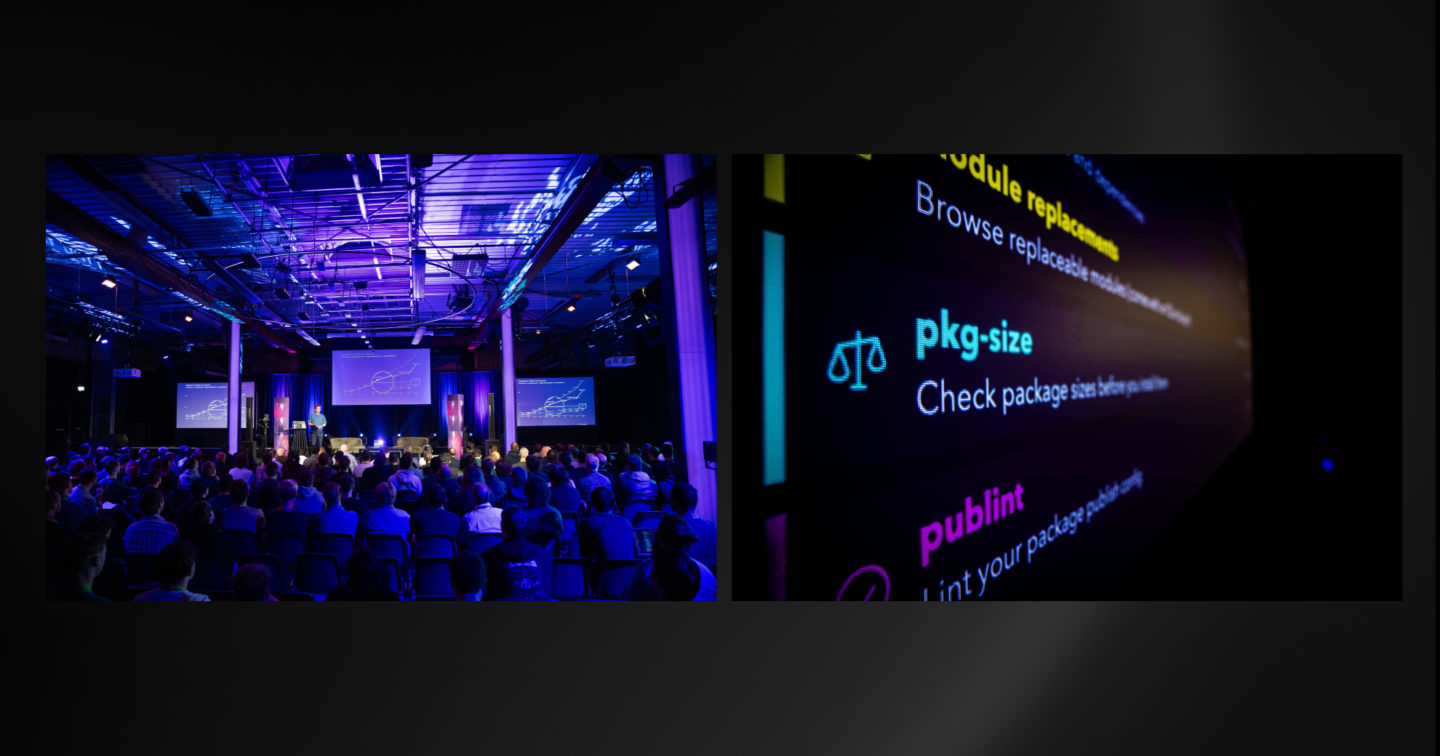

At Apptitude, taking a step back is part of the company’s habits. Stepping outside the scope of projects and looking elsewhere at what is happening, what is gaining traction or what is falling into oblivion in tech helps us remain clear-headed, aligned, and demanding in our technical choices.
Observe, challenge, learn
During the last half of 2025, several members of the team attended very different conferences: web, AI, cybersecurity, tech leadership. Different formats, audiences, and narratives, but the same objective: to confront our hands-on practice with the real state of the ecosystem. Here is what we took away from it.
The web is entering a new phase of maturity
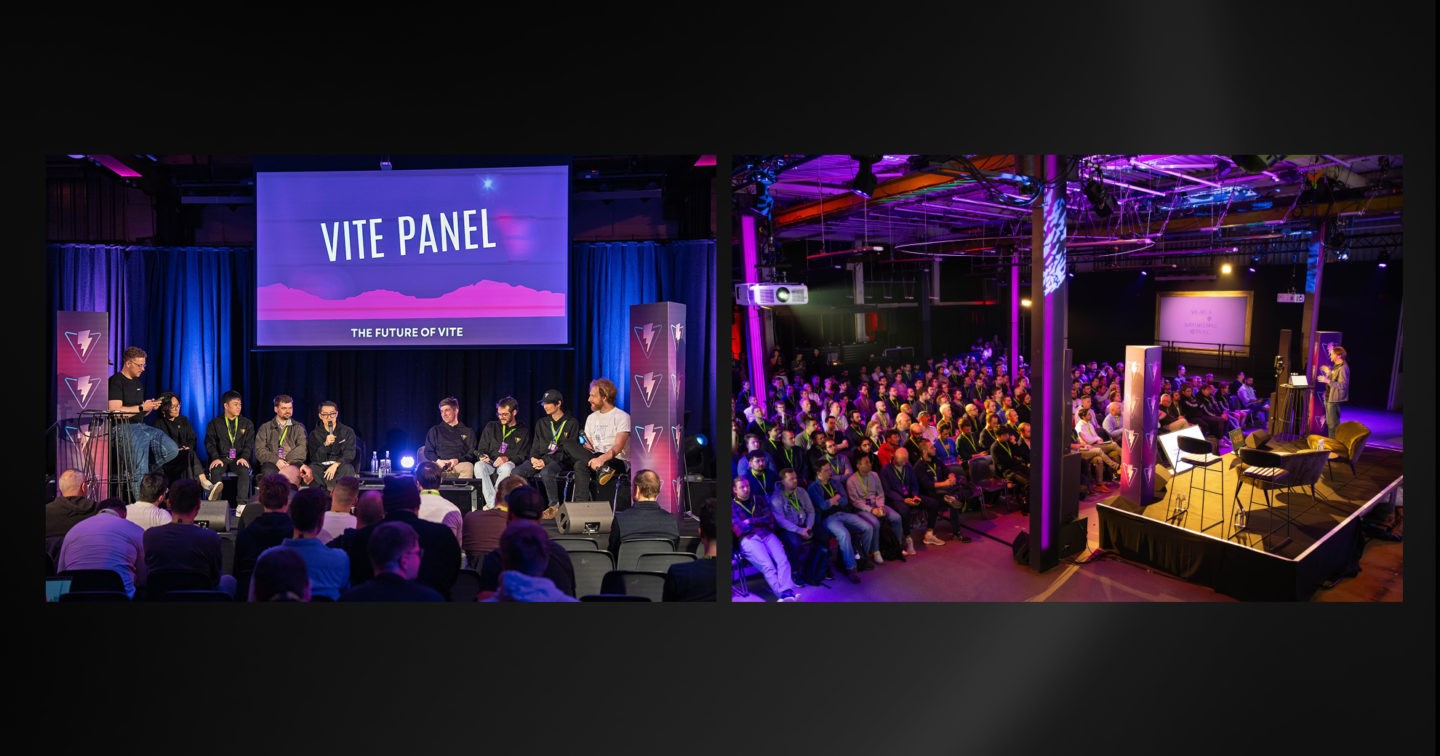
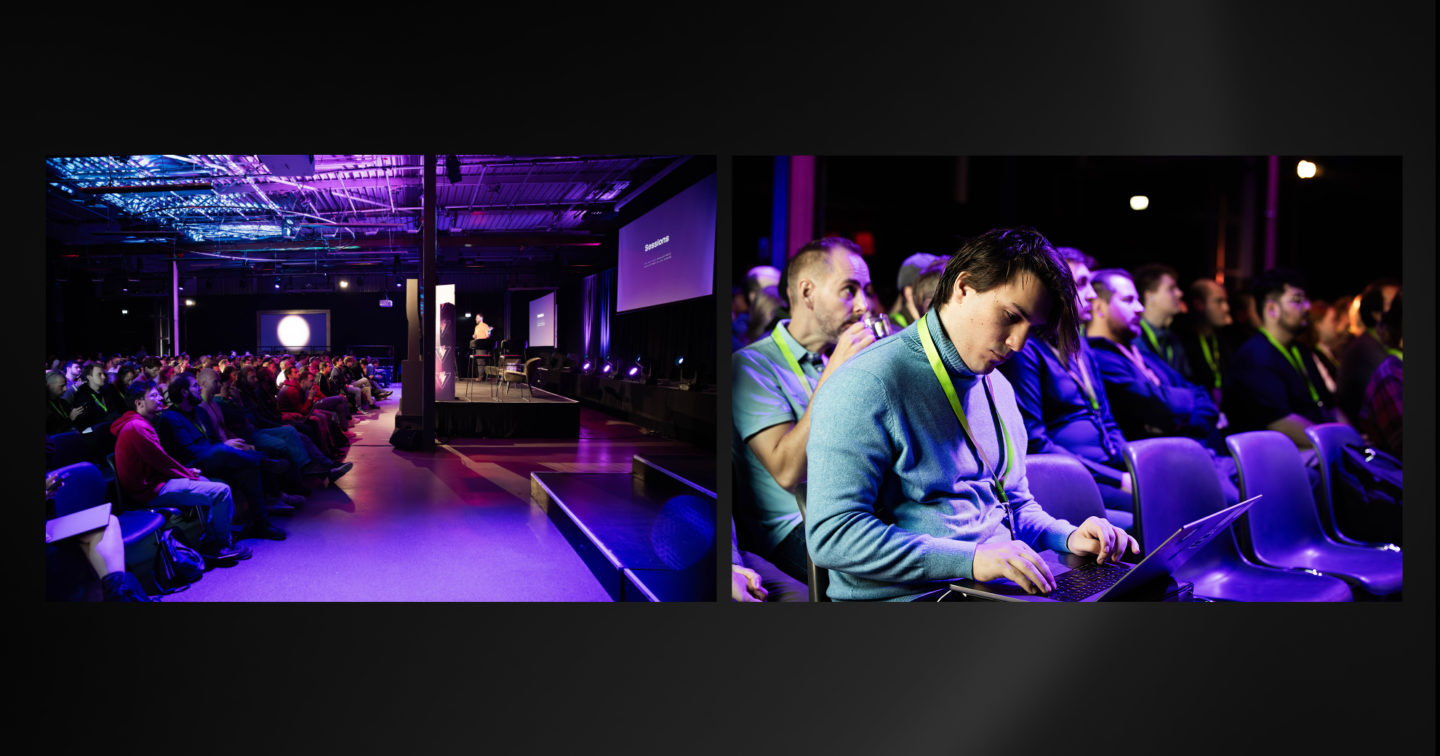
The Vite.conf in Amsterdam confirmed that web development in JavaScript is entering a new phase of maturity, with a strong trend towards standardising tech stacks. The goal is clear: to allow developers to move more easily from one project to another. Thanks to lighter and more consistent environments, it is possible to open a project and start coding immediately, without spending time adapting or patching complex configurations. This approach reduces friction, speeds up onboarding, and makes collaboration between teams easier.
The conference also highlighted the importance of having ultra-fast development tools. Rolldown, Oxlint, Oxformat, and related tools enable almost instantaneous iteration, with very short build times. This facilitates the implementation of quick fixes, testing of new features, and integration of AI into the development process, while reducing friction and increasing productivity.
Finally, the ecosystem continues to evolve in the same direction: faster, more open, more coherent. The new environment API allows external integrators to plug directly into the build process and optimise performance, with tools like Storybook that automatically adapt to the default project configurations, or Cloudflare, which can now significantly reduce infrastructure costs and build times. These developments primarily offer greater freedom to deploy and operate applications, and they are particularly relevant for our projects in Switzerland, where sovereignty, control over infrastructure, and management of deployments remain essential.
Key takeaway:
- A fast setup that facilitates collaboration
- Almost instant iterations thanks to an optimised feedback loop
- An open and flexible stack, suited to our local constraints
Behind these technical gains, it is above all a coherent vision of web development that emerges: less friction, greater clarity, and solid foundations for a future where AI-assisted code becomes truly usable.
AI is moving from fantasy to engineering
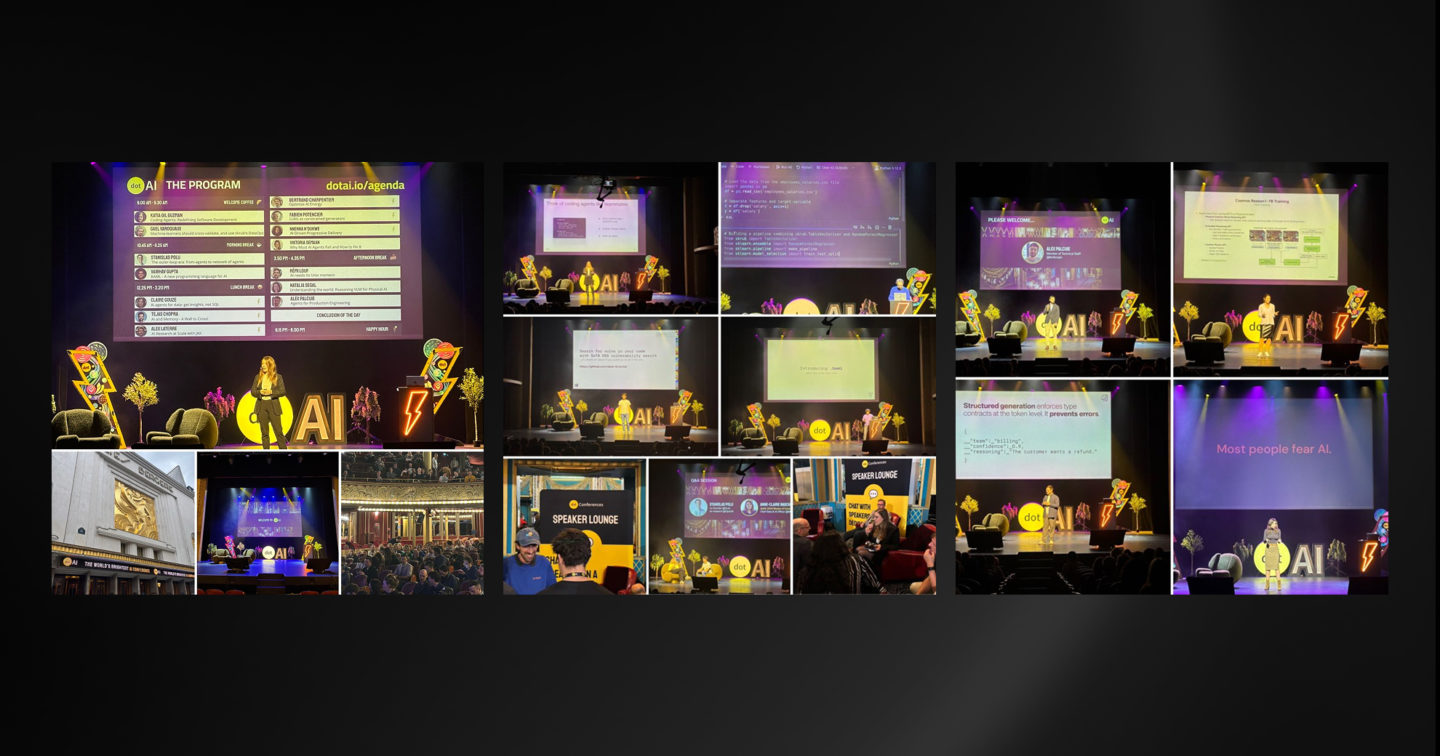
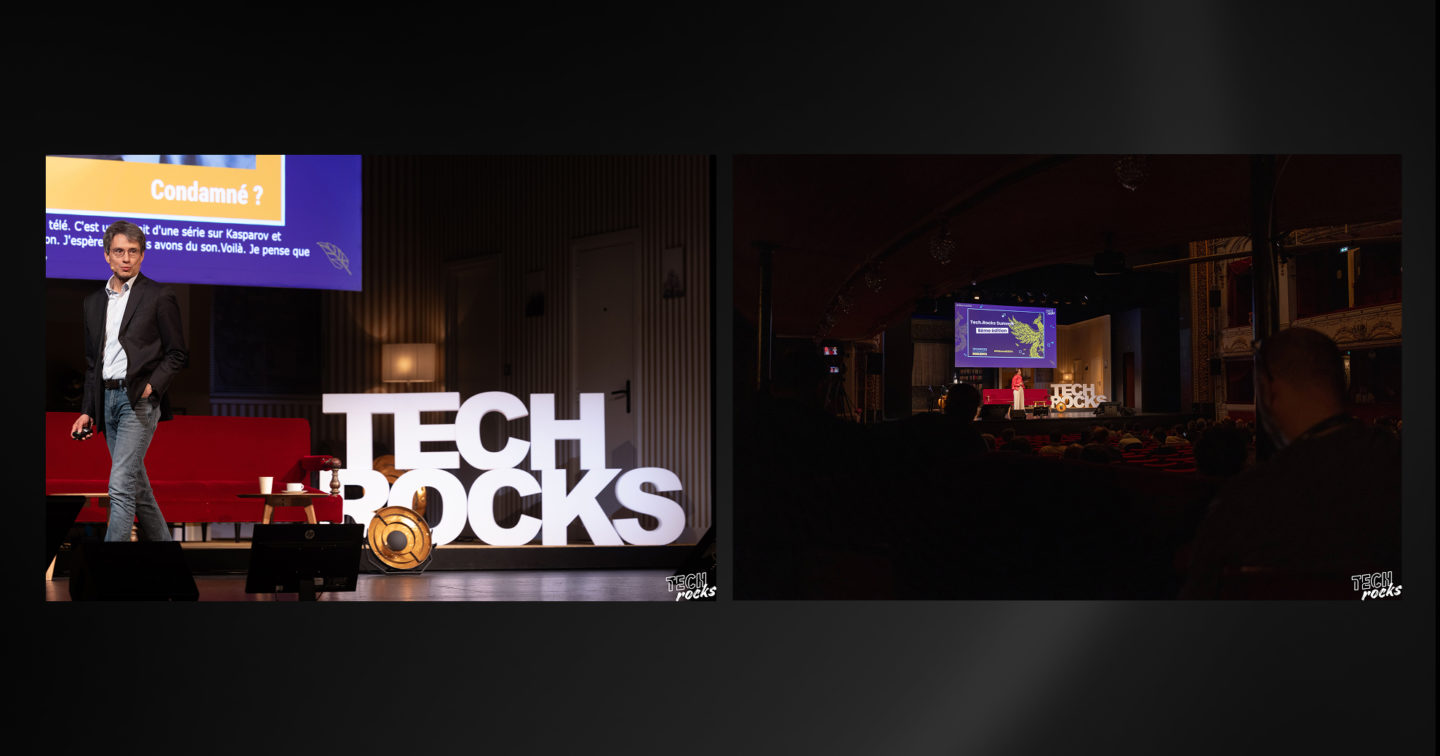
What stands out very clearly from the two conferences, dotAI & Tech.Rocks Summit 2025 in Paris, is that the debate around AI has matured. It is no longer about who has the largest model, but who can design the most reliable and useful systems over time. With clean and well-thought-out training data, it is possible to achieve efficient models that are less resource-intensive and genuinely usable in production.
Another widely shared point concerns the gap between experimentation and real-world deployment. A model that performs well in a notebook or test environment is not necessarily production-ready. Input data must be planned in advance to be scalable and adaptive over time. Without this foresight, reliability quickly deteriorates.
Speakers also emphasised a key point: AI cannot be reliable without a reliable interface. Conversational systems must gradually rely on “contractual” interfaces, with strict and predictable output structures. Without a clear framework, it becomes impossible to build robust AI-driven products.
Finally, a strong consensus emerged: AI does not replace the engineer. Teams that achieve solid results are those that invest in architecture, rules, safeguards, and workflows. The trend is moving towards specialised agent systems, each operating within a limited scope, orchestrated intelligently, and systematically reviewed by experienced humans.
In summary:
- Less magic, more engineering
- Specialised agents rather than an all-knowing AI
- Reliability before speed
What we take away most of all is that AI is becoming an accessible tool, even for small and medium-sized businesses, provided it is used methodically.
“Ship faster” is not a strategy. “Ship safer,” however, certainly is.
Security remains a fundamental and widely underestimated issue
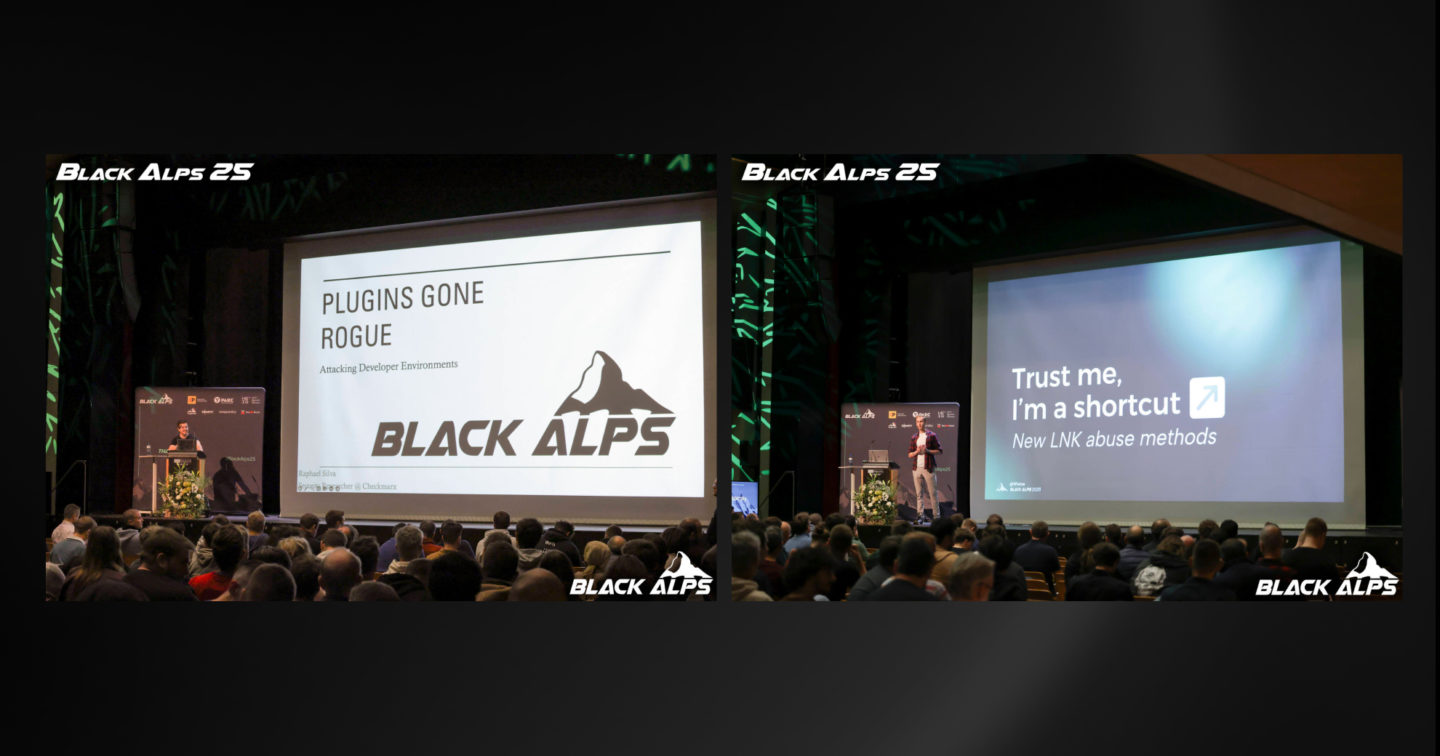
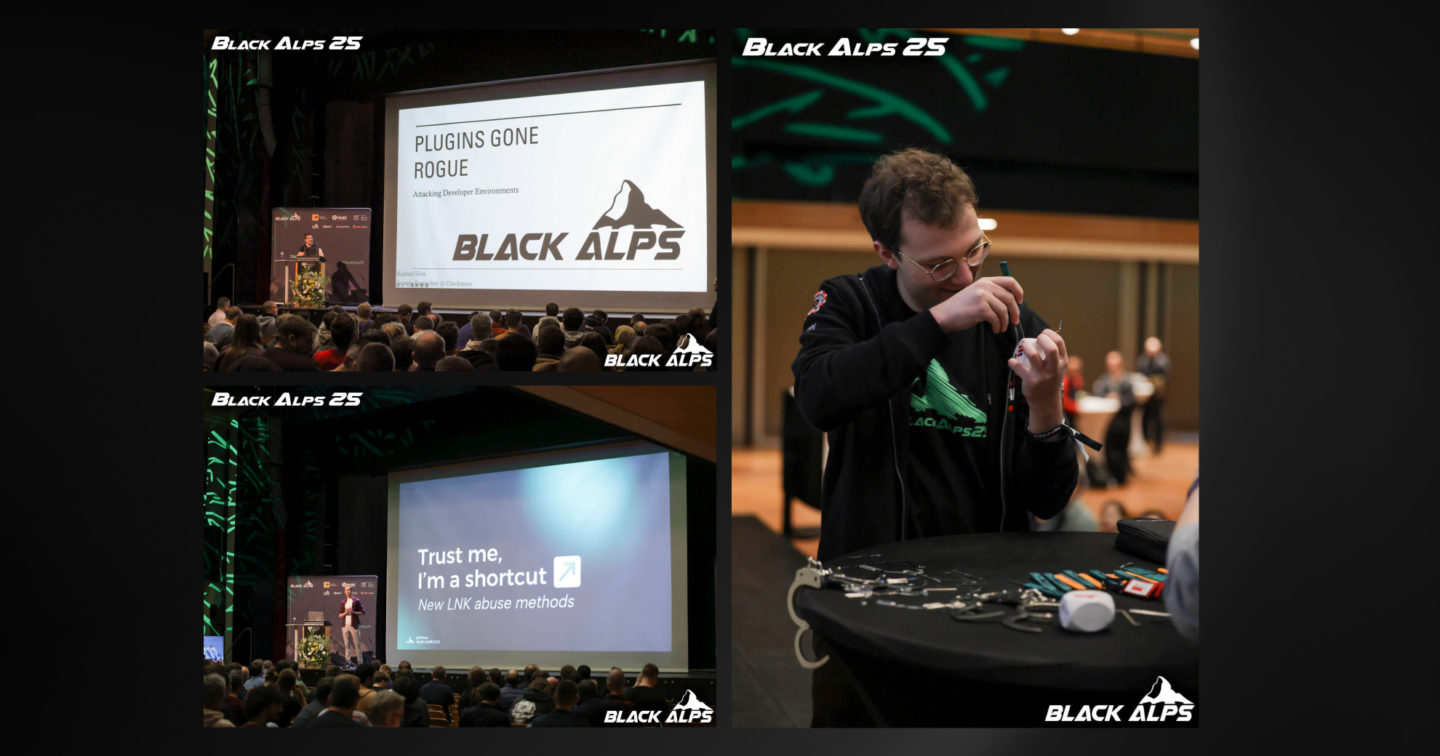
BlackAlps 2025 in Yverdon highlighted a rather stark reality: a large part of the internet remains structurally vulnerable, often for simple reasons. Many of the observed flaws are not due to obscure techniques or extreme scenarios, but to basic practices poorly applied or neglected due to lack of time, resources, or attention.
The conference also emphasised the importance of processes in dealing with security incidents. In the event of an attack, particularly a ransomware attack, time becomes a critical factor. Without clearly defined roles, established procedures, and an internal and external communication strategy, the situation can quickly worsen, to the detriment of both teams and clients.
On the development side, several approaches were highlighted to strengthen the defensive posture of projects, notably through advanced testing techniques such as fuzzing (randomised data testing). Discussions also addressed new risks related to LLM-assisted development and the need to adapt practices to limit security impacts.
Key takeaways:
- Vulnerabilities that are often simple, but widespread
- Clear processes that make a difference in a crisis
- Security to be integrated from the design phase, not at the end
Beyond tools and methods, BlackAlps primarily reinforces a mindset: adopt defensive thinking, stay aware of emerging risks, and treat security as a normal, ongoing component of projects, rather than as an optional layer added at the end.
What these journeys confirm for us
Taken together, these events tell a fairly coherent story.
The web is maturing. AI is becoming normalised. Security remains an everyday challenge. In all cases, the quality of engineering remains the decisive factor.
For Apptitude, this translates very concretely into:
- Less redundant configuration, more focus on business value
- Architectures designed to last, evolve, and remain manageable
- AI usage that is guided, pragmatic, and reliability-oriented
- High technical standards, because they determine everything else
Looking elsewhere is not about “chasing” every new trend.
It is about finding inspiration and confirming that the path we follow demanding, structured, and quality-focused is the right one.