

In the shadow of the massive growth of start-ups and scale-ups, more modest SMEs are also expanding. And even though the change is less abrupt for them, it remains necessary to manage these transitions carefully.
Here is the story of Apptitude: a company that moves forward step by step, driven by its team. Growth that aims to be as controlled as possible, in order to develop its talents alongside it, preserve its culture, and always aim higher.
Where we come from
For several years, Apptitude operated with a team of around eight developers. At the time, our Operations Manager would allocate these people to different projects, according to sales, needs, and individual affinities.
Given the size of our team and the projects we were working on, this was perfectly manageable and worked well.
However, two factors came to challenge this way of operating.
Longer, more complex projects
The average duration of our projects gradually increased, along with the level of business and technical complexity.
It therefore becomes more difficult to move a team quickly from one project to another. Acquiring the necessary knowledge takes longer, developers become specialists, and moving them between projects has a negative impact on the rest of the team.
Similarly, we can no longer assign a developer to a project for just 2–3 days to fill their schedule; the cost of ramping up their skills and knowledge would be too high.
Ensuring the continuous improvement and motivation of our developers also requires a different effort. Frustrations sometimes arise imperceptibly when working on a subject for 10 months; we might ignore them, whereas it is all the more important to address them.
Ongoing growth
Once we passed the 12-developer mark, having a single person (the Operations Manager) responsible for coordinating the developers proved counterproductive. Even though schedule changes remained infrequent, having more team members increased the frequency with which we had to adjust timetables. This led to many discussions to find the best availability and ensure handovers.
The new recruits also offered great opportunities for continuous improvement and innovation – more diverse profiles, new experiences. It was important to us that everyone could contribute to Apptitude’s growth.
At the same time, it remained essential to preserve our culture and strategic vision, so that everyone moves in the same direction.
We therefore undertook three major transformations to meet these new challenges.
Leading a growing Tech Team
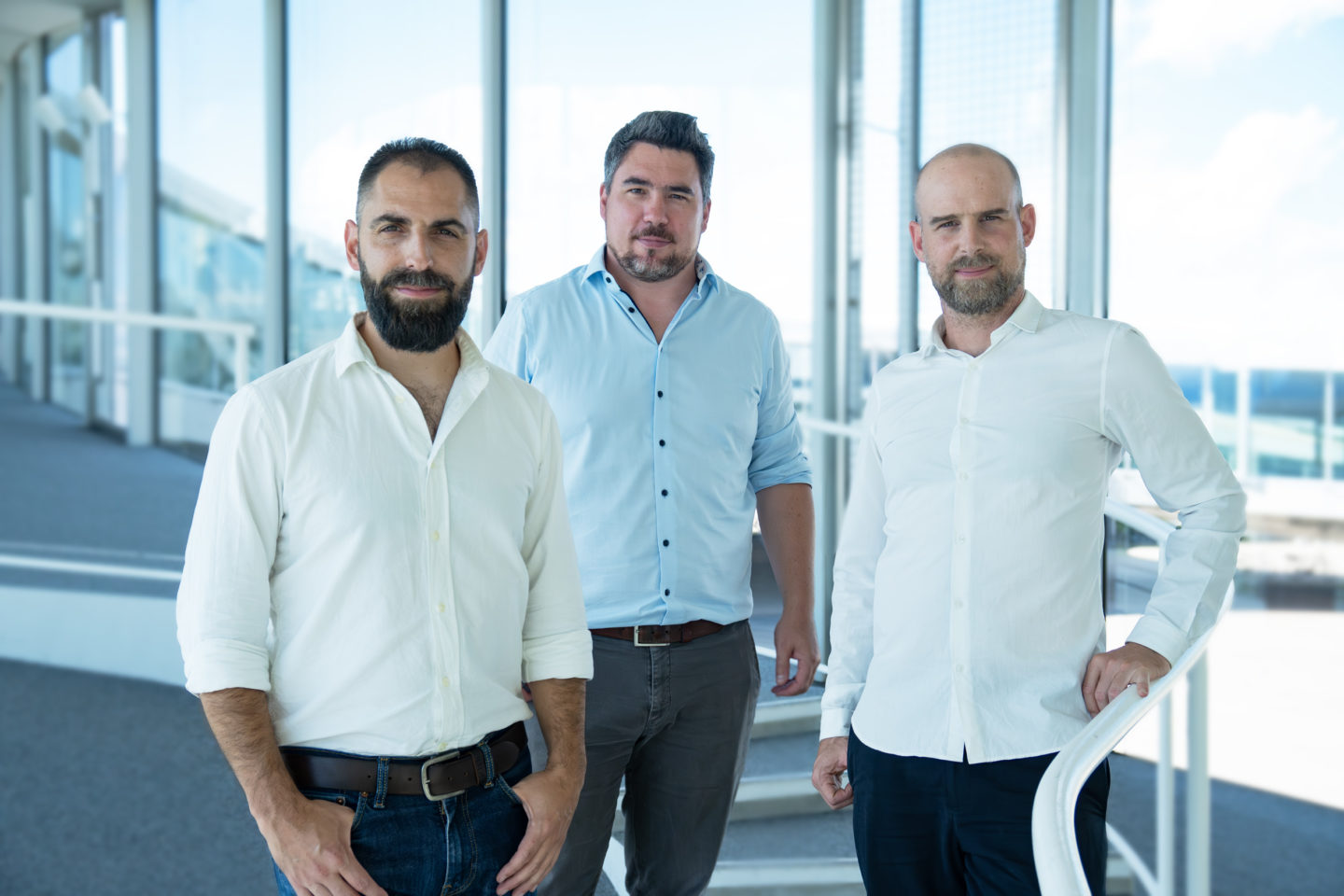
The first step was to create a sense of unity among all developers and to establish a shared vision.
Through our reorganisation into roles, we created a Tech Team with its own governance. The structure is simple:
- One person responsible for coordinating the team
- Three people responsible for high-level strategic discussions and decisions
All developers in the team meet once a month, with three points on the agenda:
- Inform: progress on internal initiatives
- Decide: how to invest our R&D budget for the coming month
- Share: feedback and lessons learned (projects, innovation)
This allows us, in just one hour per month, to define and share a common direction. Everyone is involved and informed, while continuing to make effective progress on key matters.
Production lines with their specialties
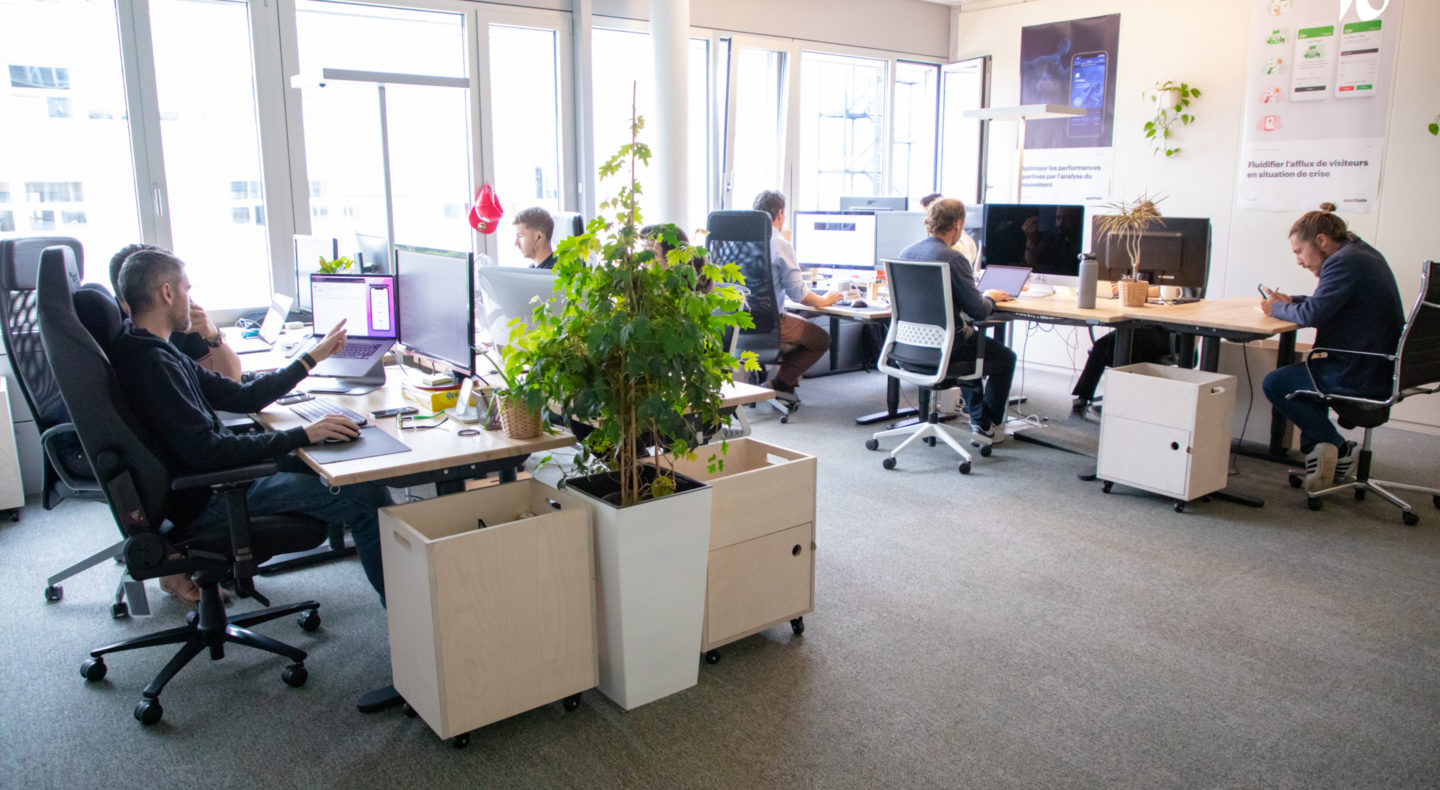
Next, it was necessary to streamline project allocation. Managing the schedule of more than 15 developers requires a significant coordination effort.
With some team members having more than 10 years of experience in the company, it was also the perfect time to offer them new opportunities.
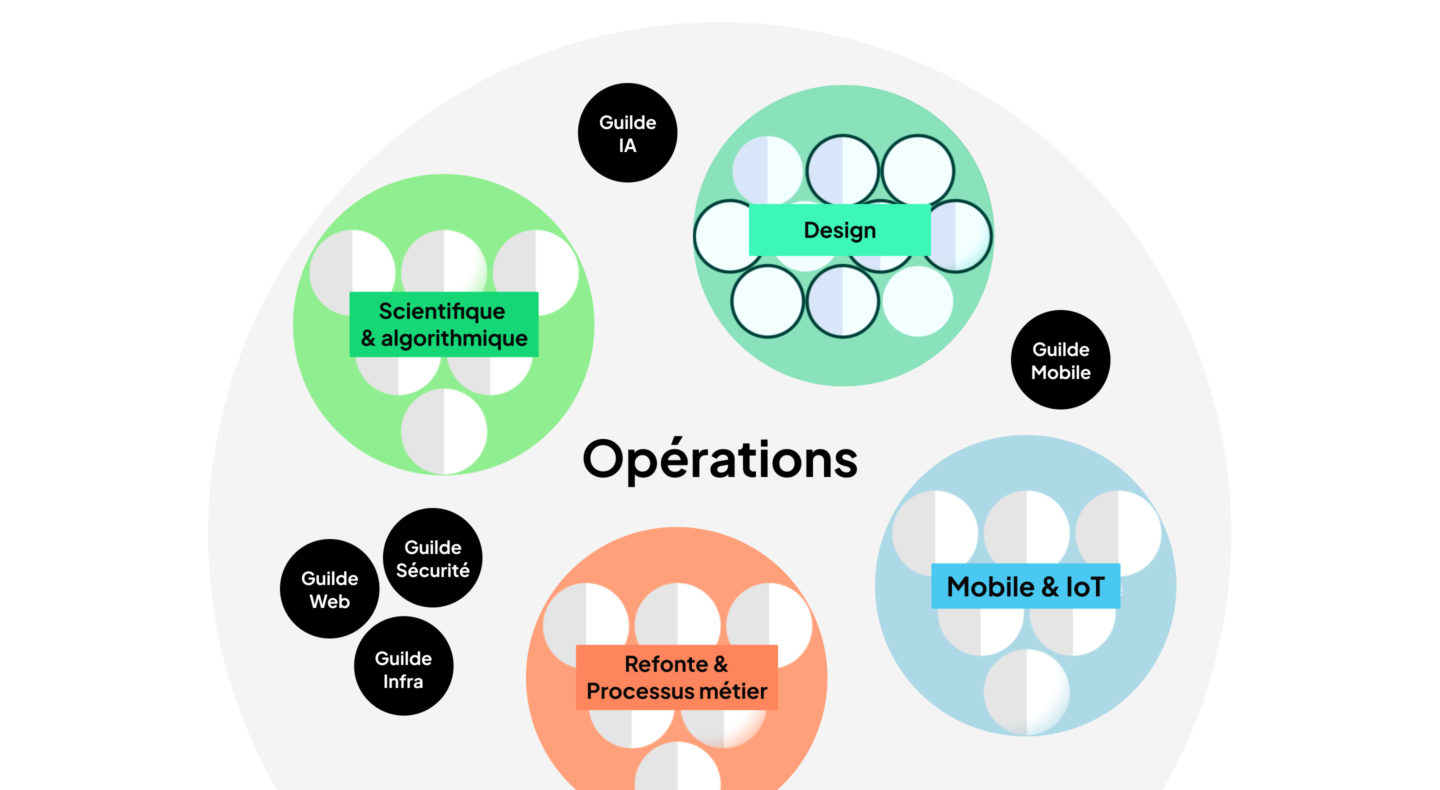
We therefore created four Production Lines, each specialised in a particular area:
- Mobile & IoT
- Scientific & Algorithmic
- Redesign & Business Processes
- Design
Each of these Lines is led by a manager responsible for two aspects:
- Coordination: planning and ensuring project delivery
- People support: supporting and coaching team members
This reduced the workload of the Operations Manager in favour of a smaller team dynamic, acting as specialists.
But caution in this type of situation: watch out for silos!
Guilds for exploration and knowledge sharing
Our Production teams are therefore free to organise themselves and choose their own tools and technologies for their projects. This can be seen in two ways:
- It’s great, because it creates excellent innovation labs.
- It’s less ideal, because it creates companies within the company, with a risk of counterproductive cultural and organisational divergence.
We have therefore tried to create the best of both worlds.
Separate from our Production teams, we created cross-functional teams specialised in a technical domain. We call them Guilds.
Currently, we have the following Guilds:
- Frontend
- Backend
- AI
- Mobile
- Security
Each Guild has a leader and various voluntary members. They operate around three key principles:
- Objectives: the Guild sets its own objectives, aligned with the strategy of the Tech Team, ensuring it follows the company’s direction.
- Organisation: it distributes work according to available members, ensuring a continued focus on our client projects.
- Budget: a budget is allocated to each Guild at the start of the month, allowing them to invest time in their projects without risking the company’s finances.
To ensure knowledge sharing, each Guild is responsible for distributing relevant training and information to all our developers. They also provide expert services as needed.
This concept offers several opportunities:
- Anyone can engage in a topic they are passionate about, independently of their team and daily tasks.
- We unify the technical approach, aligned with the company’s vision.
- We allow innovation and exploration in a space separate from client projects (and therefore in a “safe” way).
- And again, we create growth opportunities, both in leadership and expertise.
Our lessons learned
After several months of working with this structure, we can draw our first lessons and identify possible areas for improvement.
What’s working well
- Clarity. When working within a Production team, we know we are there to deliver, focusing on quality and efficiency. When operating within a Guild, we know we can explore freely while following the vision of the Tech Team.
- Defined opportunities. Beyond simply working on their client project, team members know where and how they can get involved outside of it. Someone with a stronger technical focus can join a Guild, while someone with leadership aspirations can engage in the Production teams or take on a managerial role. This opens up growth paths.
- Results-oriented R&D. By being informed of the tech vision, the Guilds have an integrated mission to seek solutions and innovations that help us do our work better – whether with higher quality or greater efficiency.
What’s working less well
- Inertia. As our organisation is still “young,” there are areas of uncertainty that slow down certain actions or decisions. Who is responsible for leading a topic? Who holds and shares the information? We are defining these things gradually to speed up progress.
- Coordination. It is difficult to know which team members are available for the Guilds and to allocate their time effectively, as these topics are often (too) less urgent than client projects.
- Cost. We are still an agency, where everyone is responsible for maintaining our margin. Such an organisation requires a significant investment of time (regular meetings, etc.), which adds to our internal costs.
Next steps
In November and December, each team must define its objectives for the coming year. This serves as the foundation for evolving our organisation:
- Guild objectives that advance those of the Tech Team.
- Define a clearer way of working to engage team members in Guild projects.
- Ensure the flow of information between the Guilds and the Production Lines, in both directions: gathering needs from the field, sharing new tools and methods, and providing information and training.
Among other things – ideas are never in short supply, making this a perfect opportunity to nurture and grow such a team.
And you, how is your team organised?
Get in touch to discuss and share your best organisational practices.