

In Switzerland, the digital transformation of sport is no longer limited to occasional or experimental uses. The examples presented in this article show that it is gradually becoming a foundational infrastructure, supporting performance, safety, and the management of sports organisations, from amateur level to elite sport. Initiatives led by federations, leagues, or resorts reflect the same movement: structuring data, improving tool reliability, and better coordinating stakeholders rather than multiplying isolated solutions. Digital technology does not replace human expertise or the inherent unpredictability of sport, but it is becoming an essential support for informing decisions and strengthening the coherence of existing systems. Organisations that approach this transformation progressively, aligned with their operational realities, equip themselves to evolve without losing what makes sport unique and valuable.
Introduction
The digital transformation of sport can no longer be reduced to a few connected gadgets or a mobile app for fans. In Switzerland, and particularly in romandy, it is gradually becoming a strategic infrastructure at the core of sports performance, athlete safety, and the economic models of organisations, from amateur sport to world cup circuits.
Between a particularly dense sports tech ecosystem, leagues seeking to structure their data at a national scale, and mountain resorts evolving towards “smart resort” models, Switzerland offers a unique vantage point to understand how digital is shifting from an opportunistic role to a structuring function of modern sport S-GE / GGBa.
1. A unique sports tech ecosystem in romandy
 For several years, romandy has established itself as one of the most dynamic sports tech hubs in Europe. Lausanne, the Olympic capital, benefits from a rare concentration of international federations, research institutes, and specialised start-ups. Its proximity to institutions such as UNIL, EPFL, and the EPFL Innovation Park adds a crucial layer of research and innovation.
Companies such as Bearmind (sensors for concussion prevention), Myotest (portable biomechanical analysis), and Dartfish (video performance analysis) illustrate the diversity of sports data applications: optimisation of technical movements, injury prevention, biomechanical monitoring, and fan engagement. This ecosystem is supported by structuring initiatives such as ThinkSport, as well as academic and institutional networks that foster collaboration between research, sport, and industry.
With more than 60 international sports federations and organisations and over 3,000 professionals working in international sport, Lausanne, the Olympic capital, hosts one of the most complete and dynamic sports ecosystems in the world. We could also mention the FEI, FIBA, UCI, UEFA and many others, which have also set up their headquarters in towns and cities around Lake Geneva.
Sport is thus becoming a true technological laboratory, where innovations go beyond pure performance to address health, safety, and audience experience.
2. Data as the backbone of sports organisations
The digitalisation of clubs and federations no longer stops at collecting data: it has become a structural foundation for performance, governance and athlete engagement.
Since 2025, Swiss Unihockey has centralised the tracking of its 39 clubs and national teams via the XPS Network platform, enabling over 1,000 coaches to monitor each athlete’s progress, training load and injury history. This centralisation improves coordination between clubs, anticipates risks, and supports the planning of athletic pathways, while preserving the associative spirit.
In football, the Swiss Football League has taken a further step with the Matchcenter vision, a single CRM to harmonise ticketing, merchandising and marketing. Clubs can access consolidated indicators at the league level, allowing data-driven, informed decisions. By March 2025, Grasshopper Club Zurich, BSC Young Boys and FC Lugano had already joined the project.
These developments illustrate the transformation of sports organisations: data has become a tool for governance, professionalisation and optimisation of pathways, accessible to both major federations and smaller structures.
3.Enhanced safety and risk management
High-level sports safety is being transformed through digital technology. Aerial capture technologies (drones, FPV) enable the analysis of trajectories, speeds, and risk zones on ski slopes, providing a new dimension to risk management.
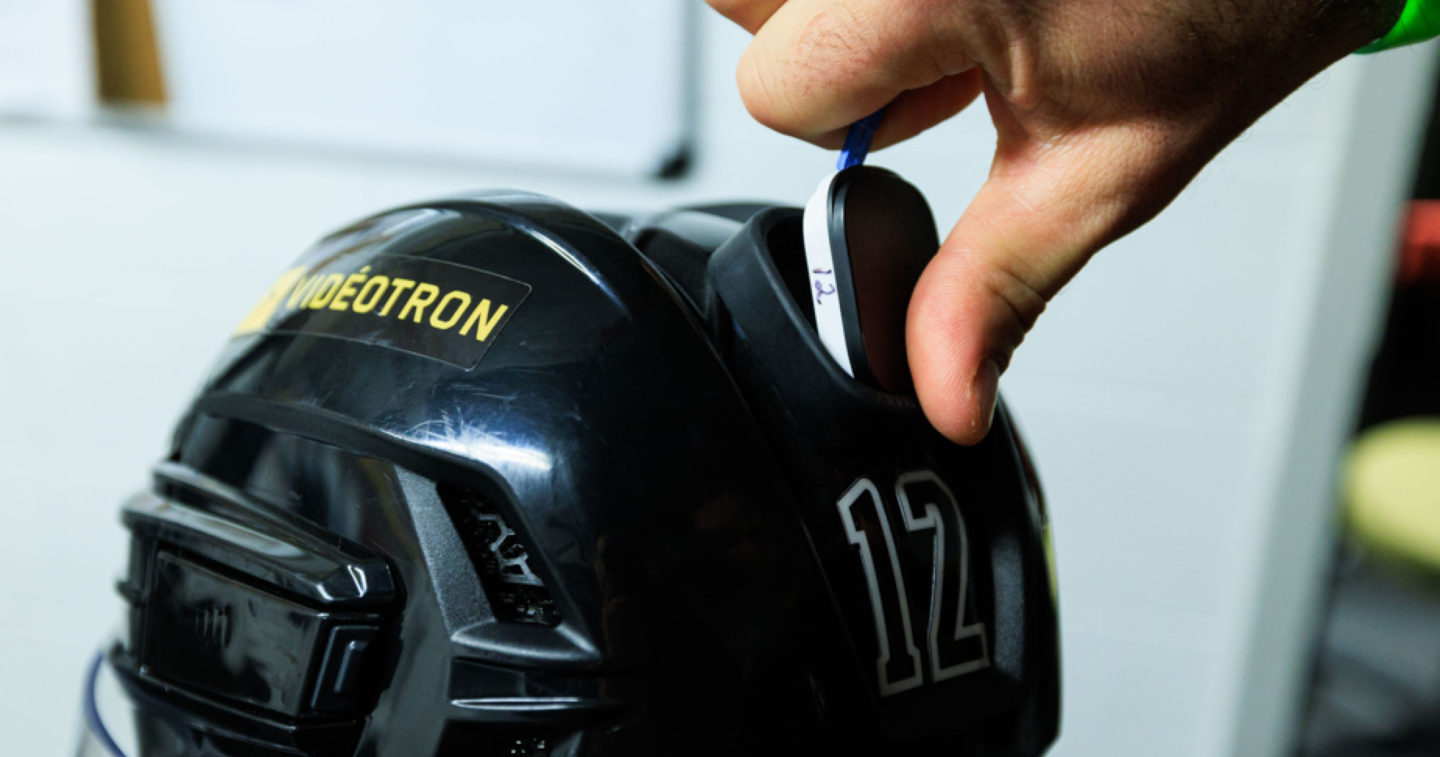 At the same time, start-ups such as Bearmind equip athletes with sensors to monitor impacts and prevent brain injuries, while predictive weather and avalanche models inform dynamic risk scores for freeride competitions. These approaches illustrate how prevention, data, and AI can transform sports safety, while remaining complementary to human expertise.
Formula 1, a sensor laboratory
A Formula 1 car carries over 200 sensors measuring continuously: speed, temperatures, G-forces, vibrations, tyre wear, throttle position. This data, transmitted in real time to the pit, allows optimisation of strategy, setup, and fault detection.
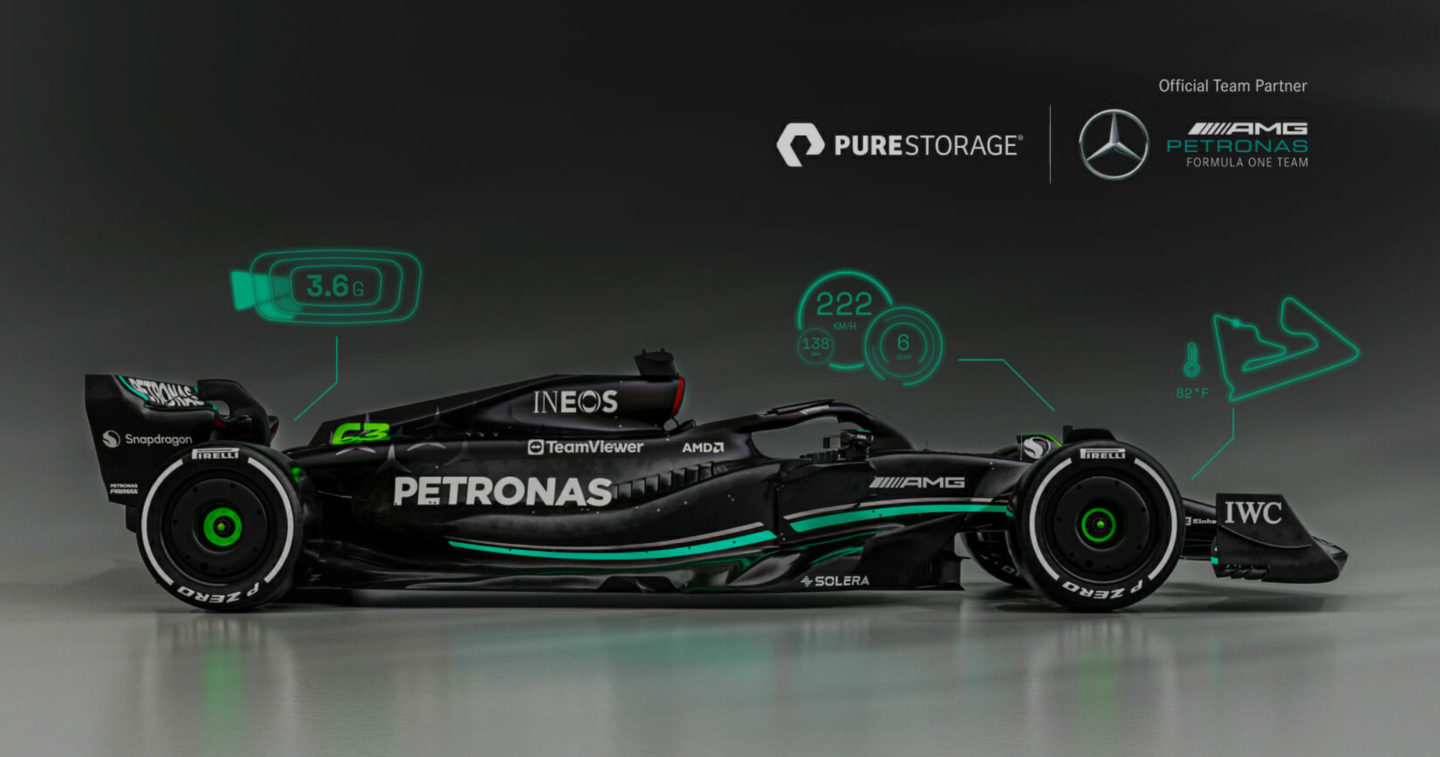 For safety, the accident data recorder (ADR) captures forces, speed, and system states during a crash, feeding the continuous improvement of FIA standards. A striking example is the terrifying yet incredible crash of Formula 1 driver Gabriel Bortoleto on 8 November 2025 during the final lap of a sprint race. On the Interlagos circuit, at the so-called Senna S corner, the driver lost control due to late braking, a bump, and a potential DRS issue, causing low aerodynamic downforce on a wet track. The impact was severe, measured at no less than 57G! The car was obviously destroyed, but Bortoleto emerged unscathed. Even more astonishingly, after medical checks, he was back in the car for the Sunday race (which he abandoned following a first-lap collision).
Telemetry also detects behavioural anomalies (driver/vehicle) and monitors health risk factors, such as heat and dehydration.
These concepts of onboard monitoring, automated alert thresholds, and centralised data standards can be applied to other sports: skiing (track/athlete risk), equestrian (horse/rider), cycling (terrain wear/falls), etc. Federations could draw inspiration to define mandatory “safety indices” per competition, based on aggregated data rather than subjective experience.
4. Beyond current uses: towards a truly smart sports infrastructure
The most transformative changes are yet to be invented. The majority of tools still merely collect and display data. Tomorrow, the challenge will be their orchestration: linking performance, safety, governance, and fan experience into coherent systems capable of anticipating rather than just recording.
One can imagine true digital twins of athletes, integrating biomechanics, mental load, sleep, environment, and injury history. These twins could be useful not only for optimising a single training session but also for simulating career trajectories, informing strategic decisions, and reducing long-term risks.
Yet, the human factor will remain irreplaceable in sport: coaches’ intuition, mental resilience, creativity, and physiological unpredictability constitute an “X factor” that data alone can never capture. The best team on paper will still lose to an underdog, an athlete will overperform in “the race of their life,” and the famous momentum — that psychological and collective dynamic allowing a team or athlete to string together positive actions and gain an advantage — supported by a “nth man” (the passionate home crowd, for example) will continue to produce its share of magic.
These dimensions serve as a reminder of the limits of digital tools, limits that are equally evident when facing the complexity of clinical decisions, for example.
5. Our positioning at Apptitude
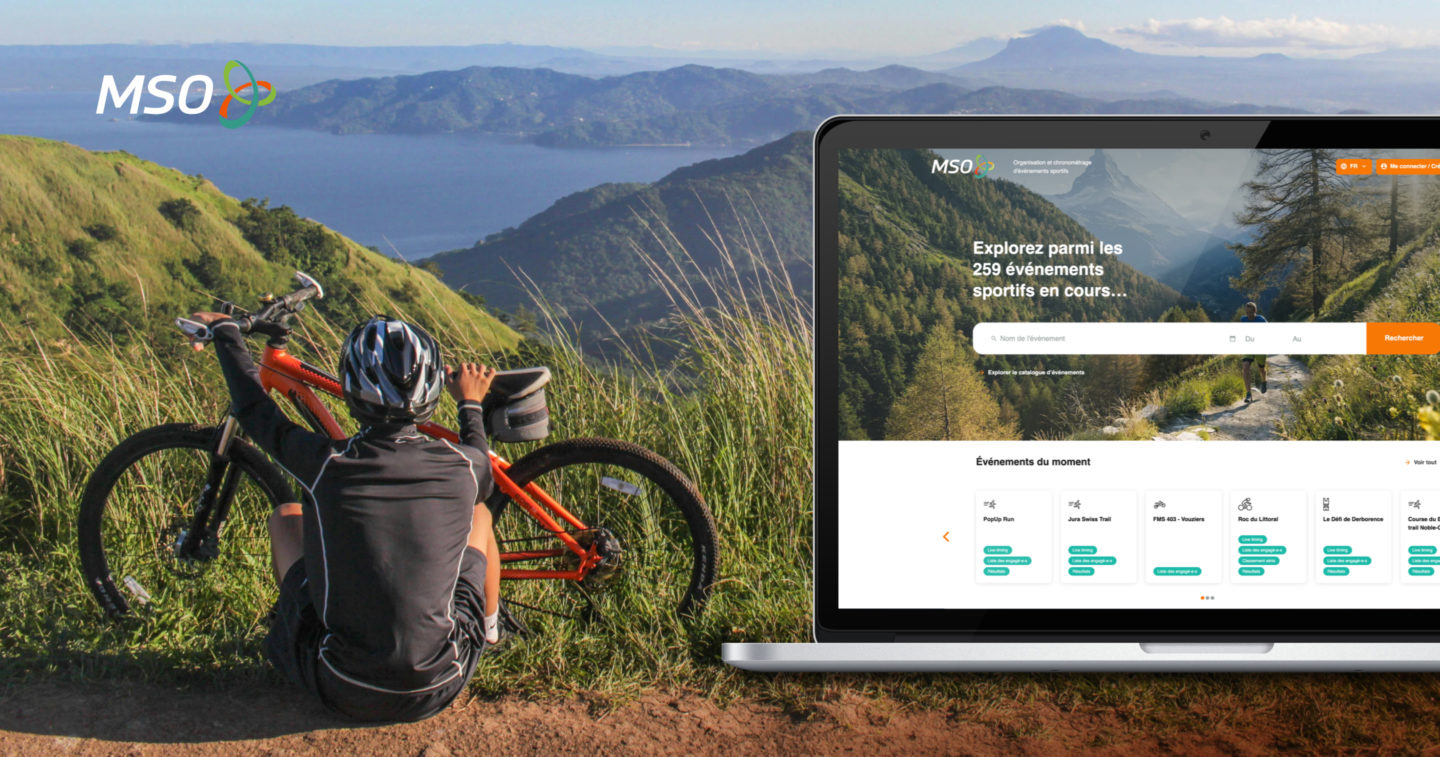 As you can see, in this context, the main question is no longer about multiplying digital tools (even if some ideas will still contribute to the ecosystem), but about designing software architectures capable of linking data, usage, and governance over time. At Apptitude, we support organizations facing similar challenges of complexity, interoperability, and scalability, by designing custom platforms aligned with their operational realities.
To illustrate our approach concretely, here are some of our achievements in the healthcare sector, demonstrating our ability to turn complex challenges into operational and sustainable solutions:
- Elitment
- MSO (discover how we collaborated to modernize and transform their digital ecosystem)
- Alinghi Red Bull Racing
- Volodalen (An educational organisation supporting sports and healthcare professionals, as well as athletes, in care and performance through individualised movement)
- We regularly organise conferences focusing on business, design, and tech. Relive our “Digitalks” edition on the theme of sport. This edition featured presentations by Francis Degache, Exercise Physiologist (PhD) at Respire Performance; Edouard Boulanger, Co-Pilot W2RC & Co-Founder of Respire Performance; David Deillon, CEO and Founder of Alogo Analysis; and Luc du Bois, then Data Analyst Engineer at Alinghi Red Bull Racing.
Our role is to transform technology into a reliable and scalable foundation, serving performance, safety, and the autonomy of organisations. Another essential ingredient is respect for the human factor and allowance for the unpredictable, which give sport its richness and magic.