Building on its 135 member countries and thousands of athletes, both human and equine, the Fédération Equestre Internationale has launched the Equipass® programme in collaboration with the World Organisation for Animal Health (WOAH). Far more than a simple digitisation of documents, this initiative represents a step towards a global digital standard serving animal welfare and traceability.
Bringing people together without imposing: complexity at the heart of the project
The challenge does not lie in the absence of data, but in its heterogeneity. While many horses already carry a microchip, this is not yet the case worldwide. The challenge is therefore to make identification methods more widely accessible in order to unlock their full potential.
The richness of the equestrian ecosystem, where international federations and national bodies each bring their own expertise, calls for a shared solution: how can a global application be designed that makes the most of local specificities while ensuring data integrity on a worldwide scale? The challenge is above all collaborative and organisational, as the product is intended to bring together veterinarians, customs officers, owners and regulatory bodies within a single system, supporting each of them according to their level of digital maturity.
Technical and strategic trade-offs: key decisions
In designing Equipass®, several decisive trade-offs had to be made to ensure the project’s long-term robustness:
Hardware interoperability vs. a unified user experience
The first trade-off concerns RFID chip scanning. Unlike in a controlled environment, Equipass® has to accommodate a wide range of types of subcutaneous chips. The technical challenge was to enable scanning via external scanners connected to a smartphone while maintaining a seamless interface. The chosen architecture can accommodate this hardware diversity without complicating the scanning process, which is essential for carrying out veterinary checks quickly in the field.
Cross-platform development vs. OS-specific requirements
To support a large-scale international rollout, targeting around 45,000 members by the end of 2026, with a projection of several hundred thousand users in the longer term, choosing Flutter was a strategic decision.
The decision was driven by the need to maintain a single codebase for iOS and Android, reducing maintenance costs and accelerating simultaneous updates across 135 countries. This approach ensures a consistent visual and functional experience, which is essential for a long-term product vision that can incorporate application environments within a cross-platform approach, across both desktop and mobile.
Speed to market vs. functional depth
With an intensive development cycle, priority was given to the “Core Business”: identification, temperature monitoring and health status traceability. The approach focused on securing critical data flows, carried out with AxioCode for the backend and ELCA for the cloud infrastructure, in order to ensure the robustness of the system and lay the groundwork for more complex features in the future.
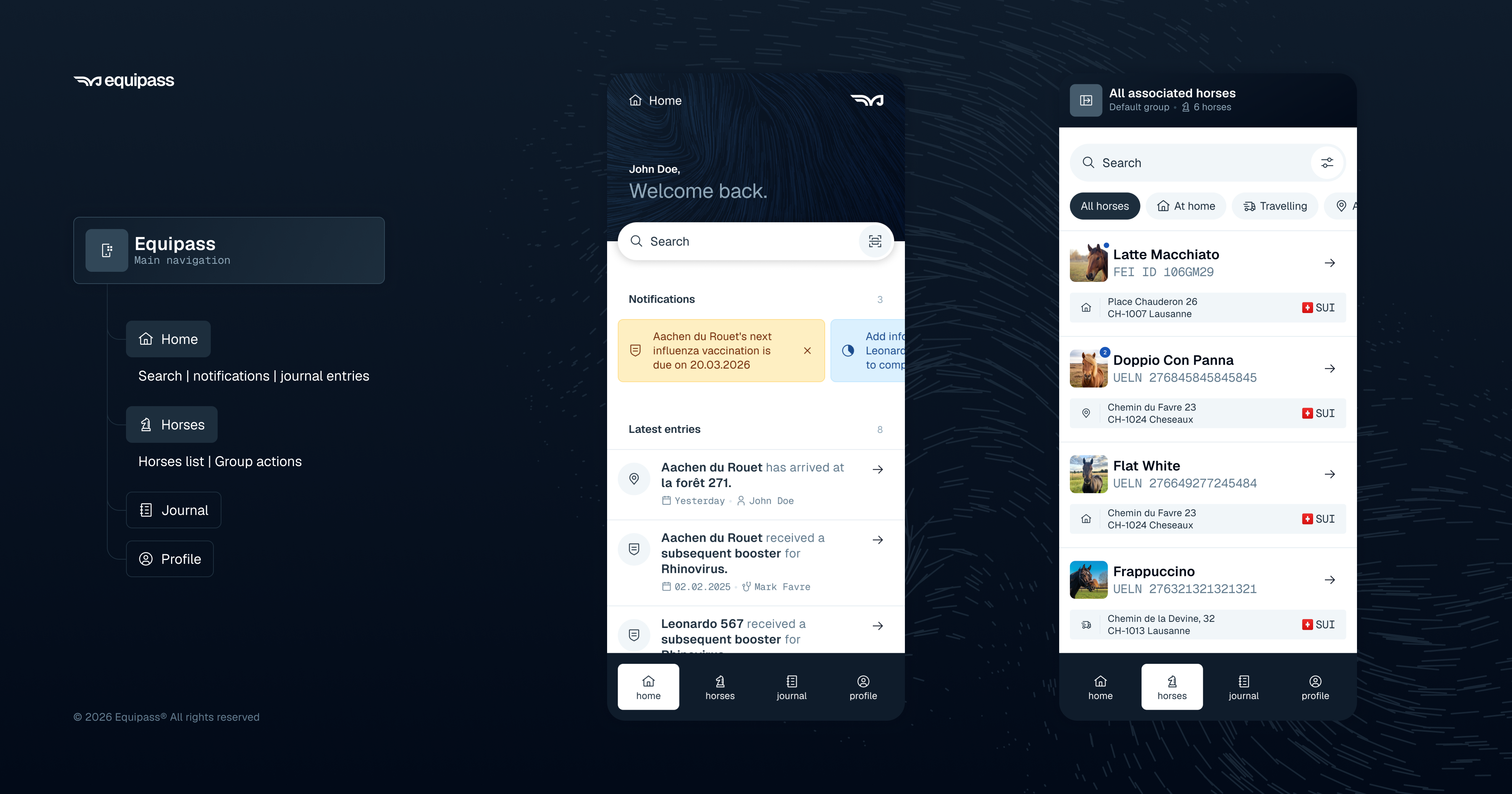
An ergonomic field tool
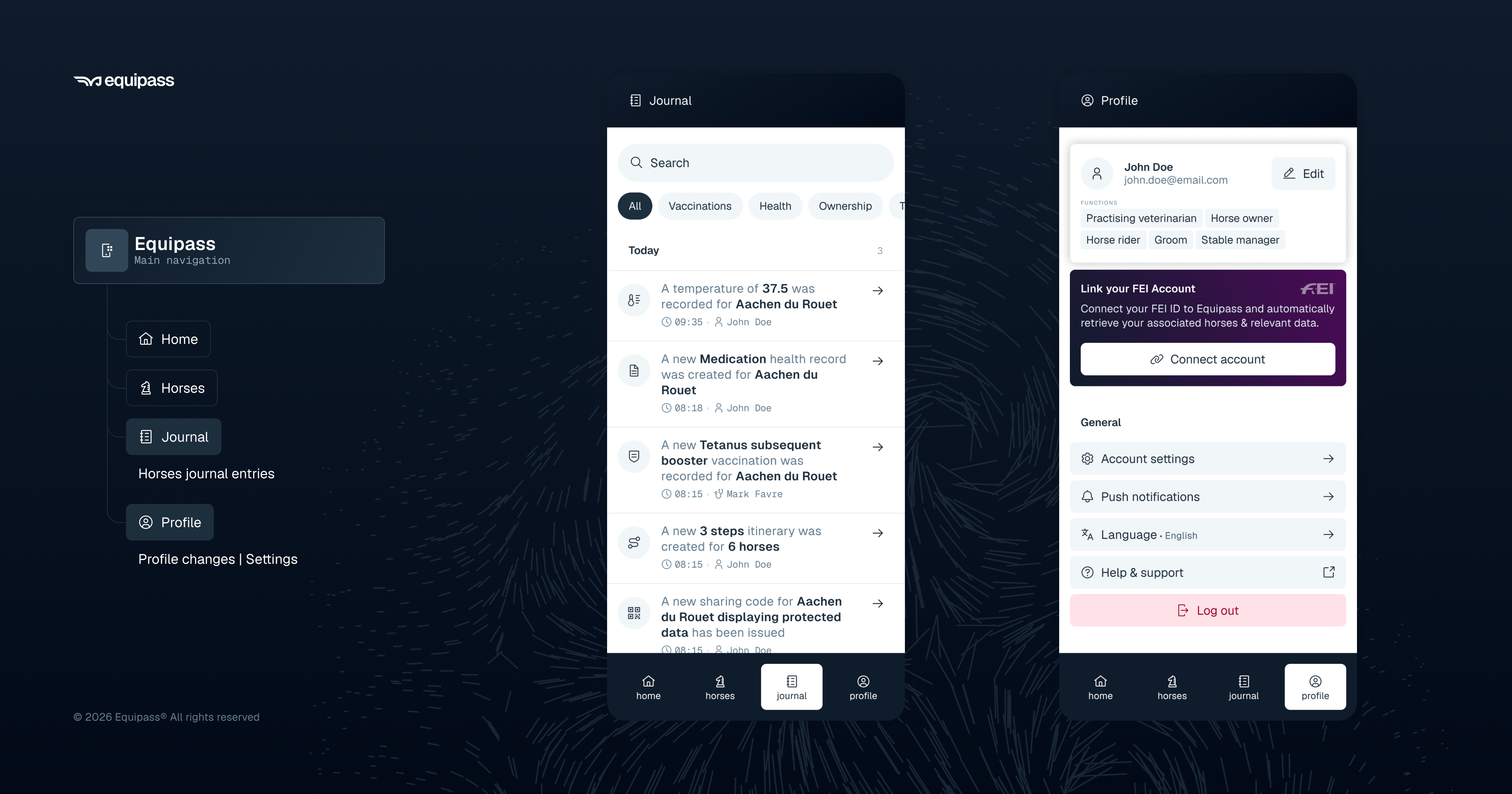
An ergonomic field tool
Apptitude’s approach: engineering in the service of the field
At Apptitude, our work on the mobile front end focused on transforming a rich database into an ergonomic field tool. Software engineering is not limited to writing code. It also involves coordinating integration with third-party partners (AxioCode for data for management) to ensure that the application remains responsive, even in degraded mode or during large-scale data synchronisations.
We applied design system principles to ensure that the interface, based on work carried out by Shapeless, would be as intuitive for a vet working in the field as for a groom on the move. Apptitude’s expertise was demonstrated through our ability to deliver a high-quality finished product within a tight timeframe, while ensuring an architecture capable of supporting the application’s growth and scalability.
Strategic choices and success factors
In this type of project, a common approach is to try to centralise everything at all costs, at the expense of existing national systems. Equipass® has taken a different, collaborative approach: becoming a point of convergence for the ecosystem. The success of such a programme rests on three pillars, which we have rigorously upheld:
- Focusing on the reliability of the hardware (chip scanners) and its software integration.
- Offering native multilingual support to enable barrier-free adoption as the solution expands worldwide.
- Ensuring a clear information hierarchy to facilitate adoption by users with diverse needs.
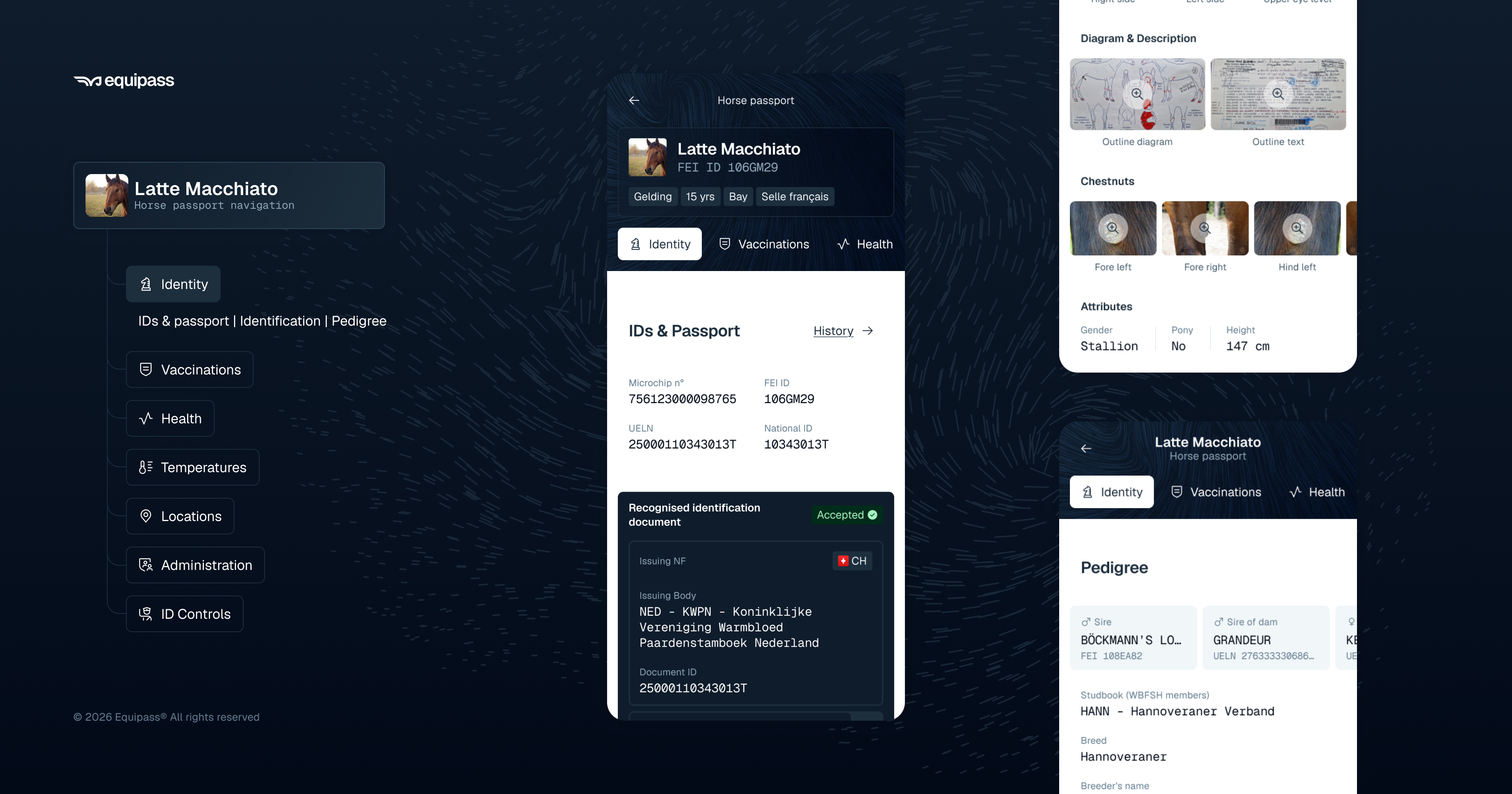
A clear information hierarchy
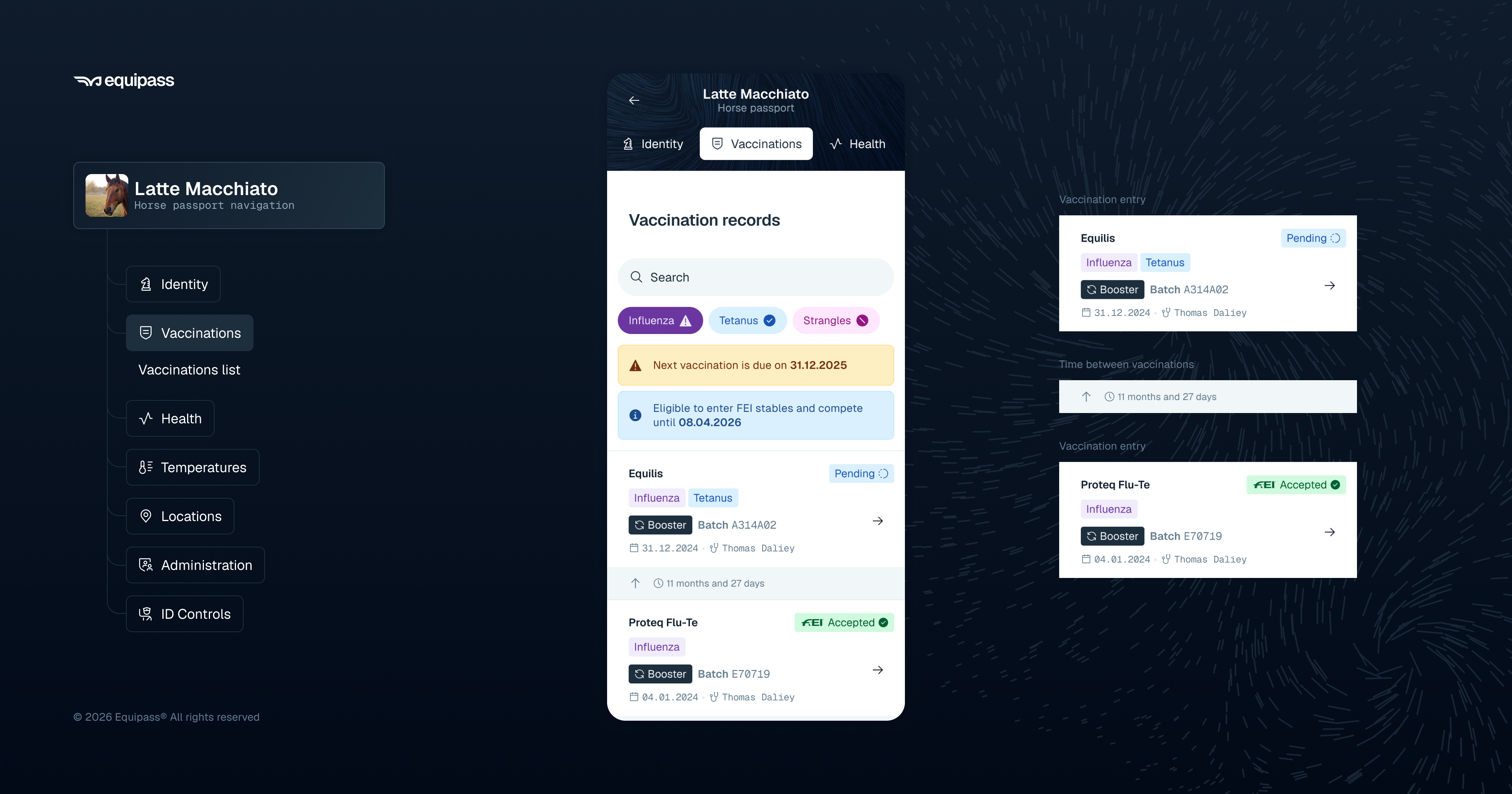
A clear information hierarchy
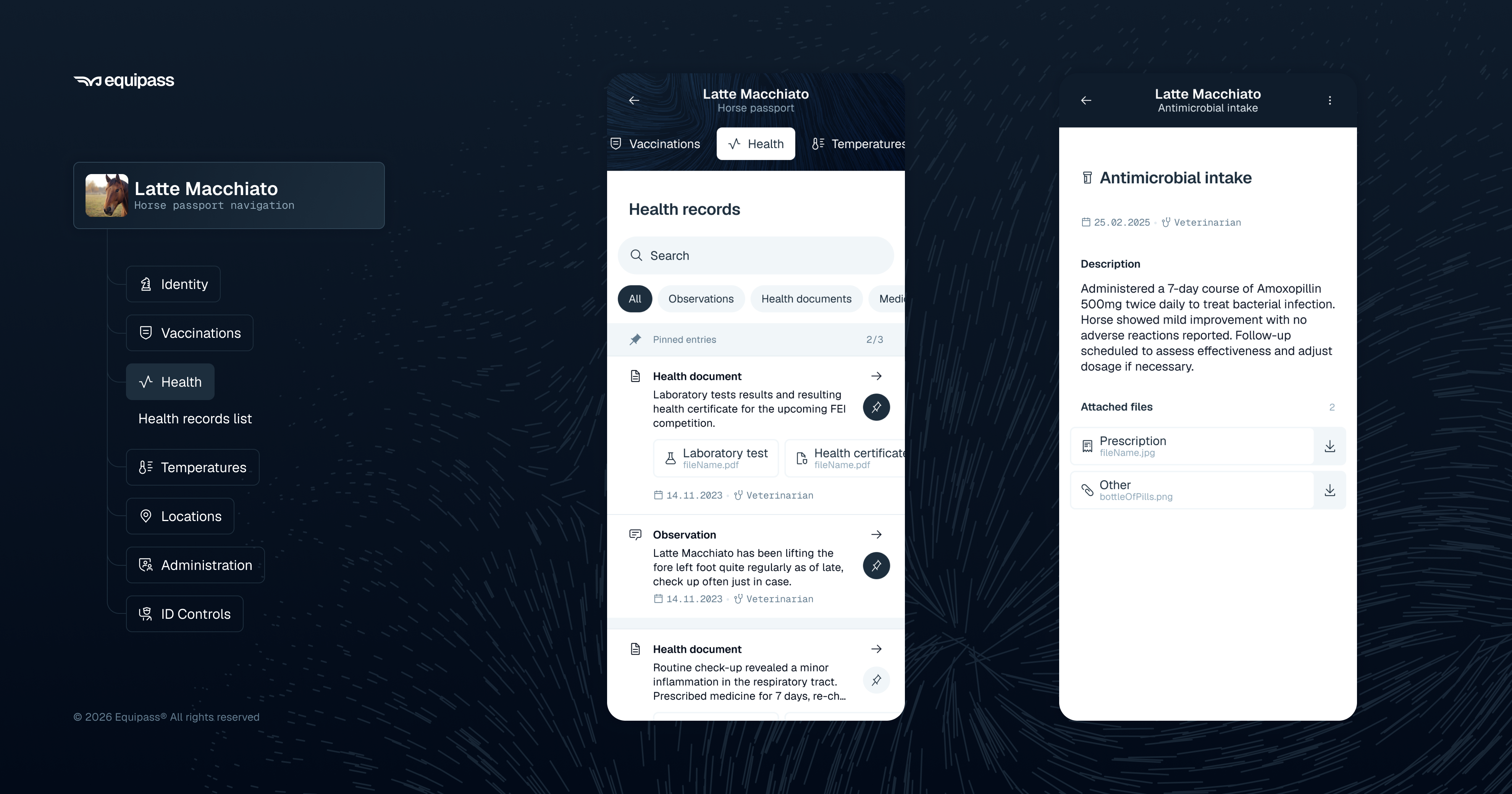
A clear information hierarchy
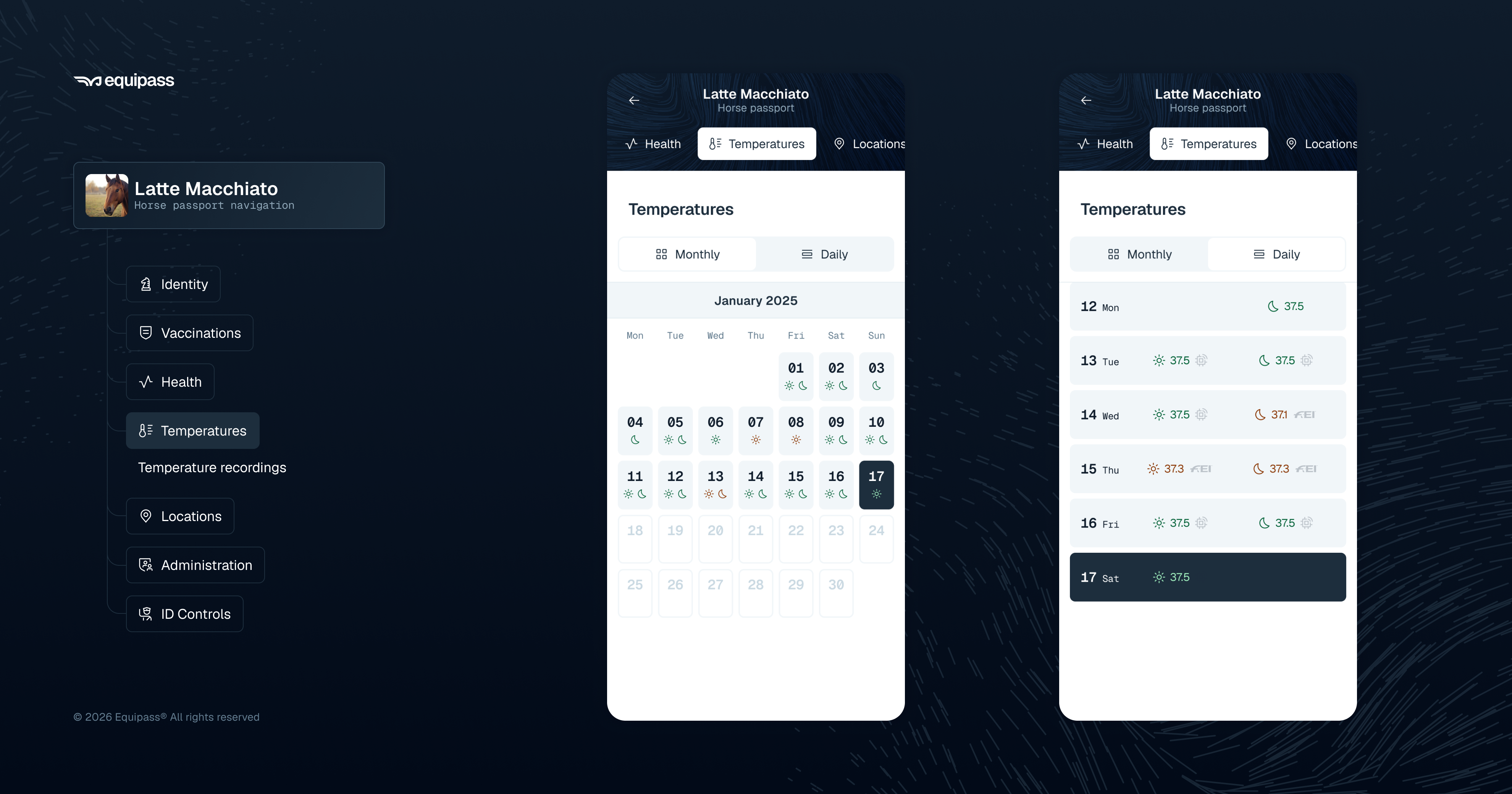
A clear information hierarchy
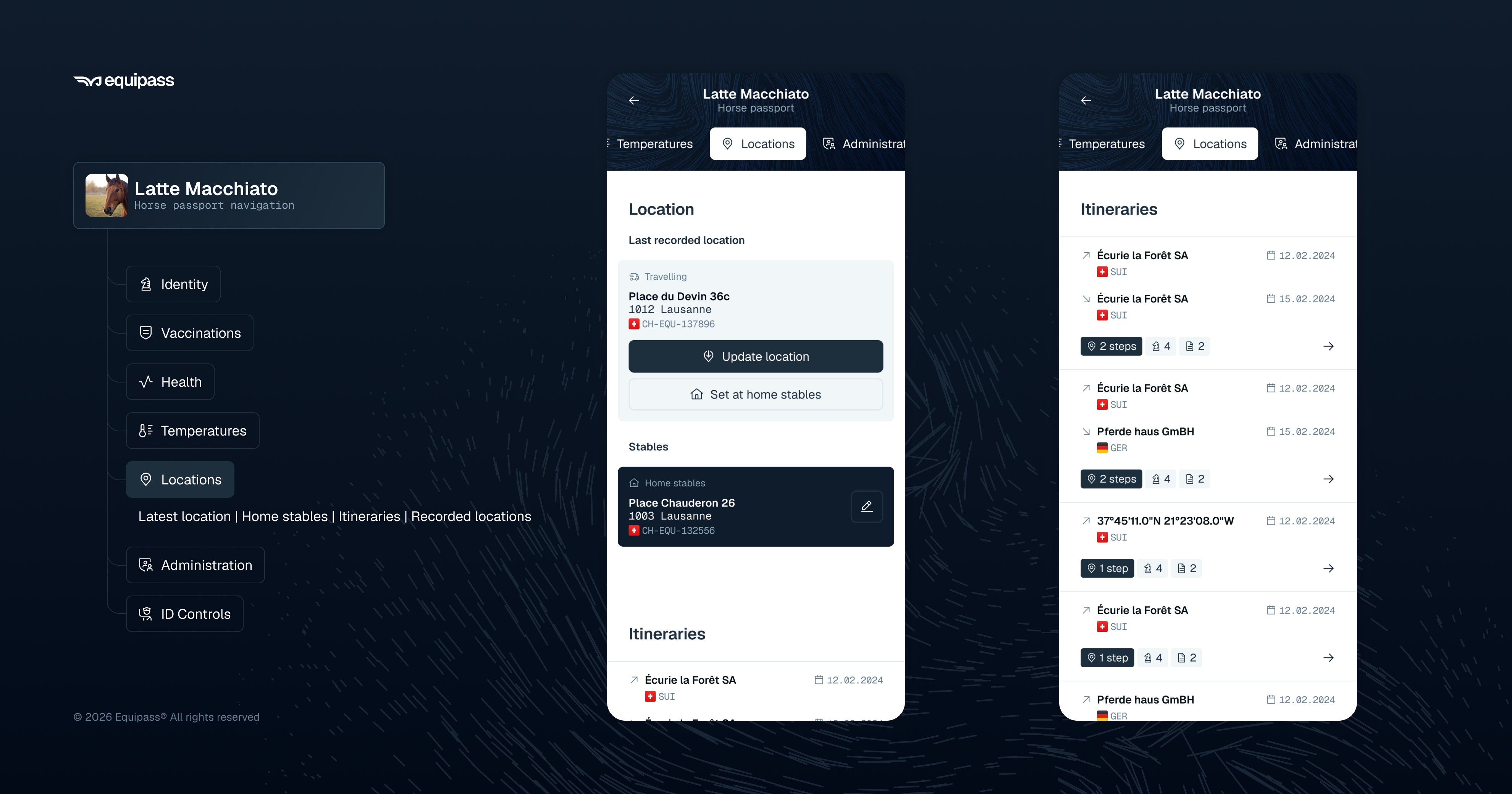
A clear information hierarchy
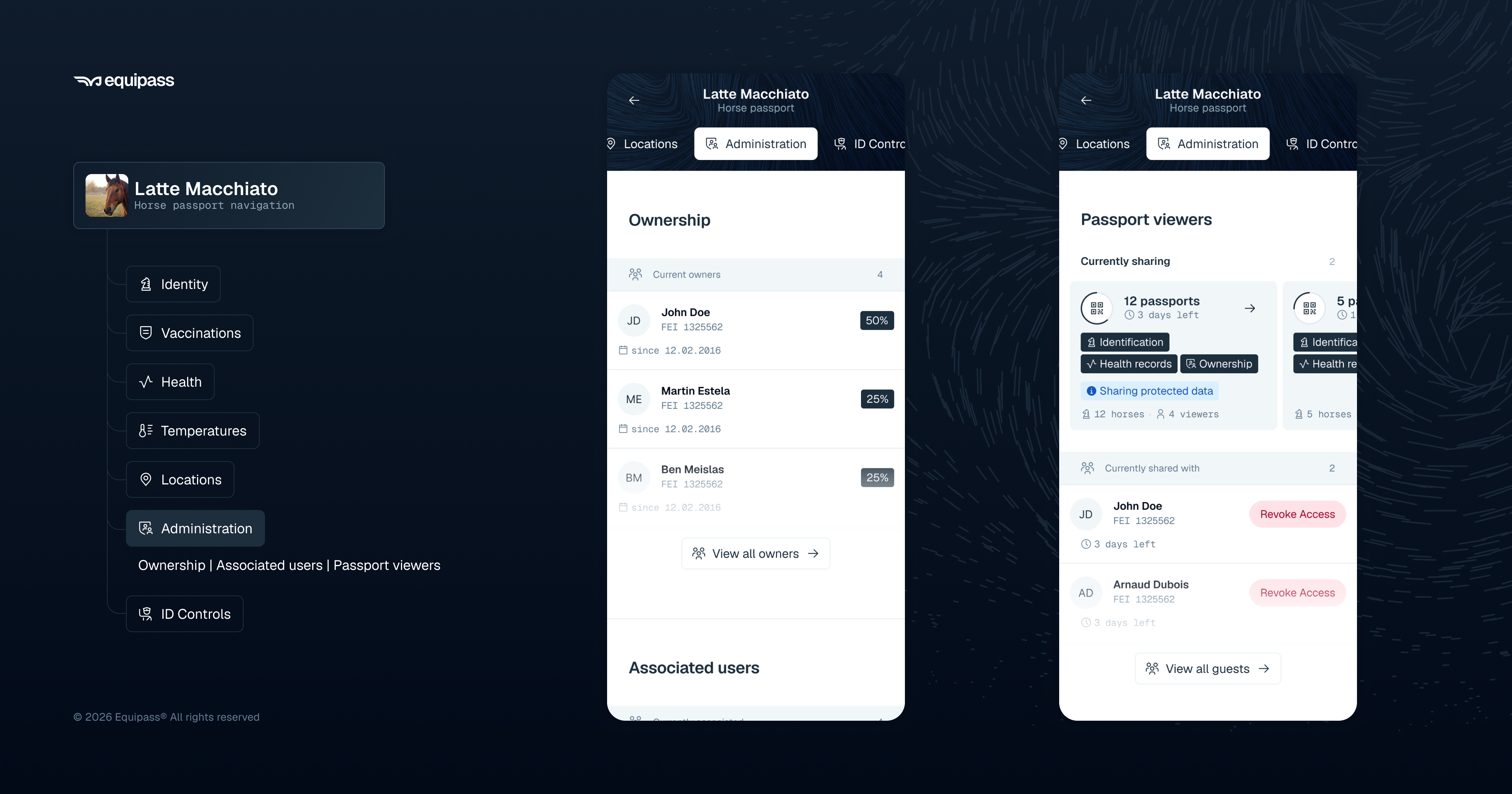
A clear information hierarchy
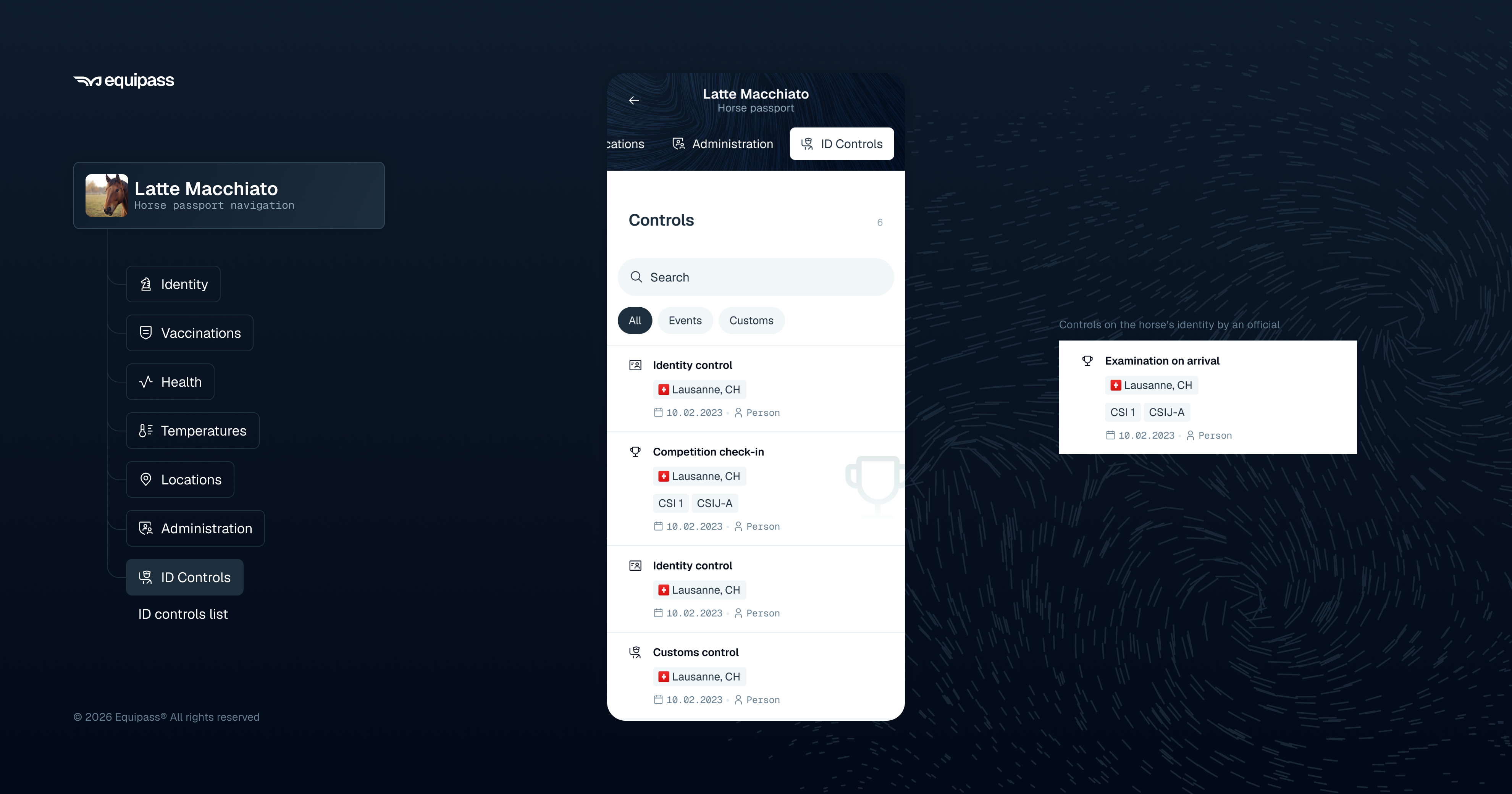
A clear information hierarchy
Solid foundations for a solution with a global impact
The digital transition for international equine traceability now appears to be a natural evolution, supporting compliance and biosecurity for the benefit of animal welfare. For the sector, the key question is now more about “how” than “if”.
Choosing a Flutter architecture for a global-scale application has enabled us to offer an effective solution capable of supporting developments across the public and private sectors, which are progressing at different rates. Equipass® therefore provides solid foundations for the development of a new standard for global equestrian sport.
Ready to build the future of any sport?
Whether you are looking to digitalise an existing process, connect complex data ecosystems or build a scalable solution for an international audience, our team can help turn your vision into a robust digital product.