Key figures
By combining a user-centered approach, ergonomic design, and a modern, scalable technical architecture, Apptitude delivered a robust tool capable of supporting Kummler+Matter EVT’s teams and clients in their day-to-day railway and urban infrastructure monitoring and maintenance activities.
For Kummler+Matter EVT, predictive maintenance is primarily aimed at optimizing the timing of technical interventions. The challenge is to avoid two costly situations: intervening too early and replacing equipment that is still operational, or intervening too late after a failure has already disrupted operations. By making it possible to anticipate signs of wear and estimate the right time for intervention, this approach improves maintenance planning, reduces service interruptions, and enhances the safety of installations. It also provides added value for Kummler+Matter EVT’s clients, who benefit from a more reliable and better-controlled operation of their infrastructure.
Context: supporting a key player in public transport electrifications
Founded in 1834, Kummler+Matter EVT SA is a long-established Swiss company specialized in electrical installations for energy, transport, and telecommunications infrastructure. Kummler+Matter EVT is also part of the Equans Group and benefits from international knowledge transfer across national and industry boundaries.
Its expertise covers transport concepts and planning, as well as the installation and operation of electrical systems in the transportation sector, including traffic management systems, parking guidance systems, and all types of signaling solutions. The company is also active in power supply technology, as well as the construction and implementation of electrical and mechanical installations, and the design of future-ready network infrastructures. Its activities range from cable installation and network connections to network operation for end users.
In this context, the digitalization of field information and the improvement of operational management represent strategic challenges, forming the core of the project carried out with Apptitude.
The need: centralizing field data and anticipating failures
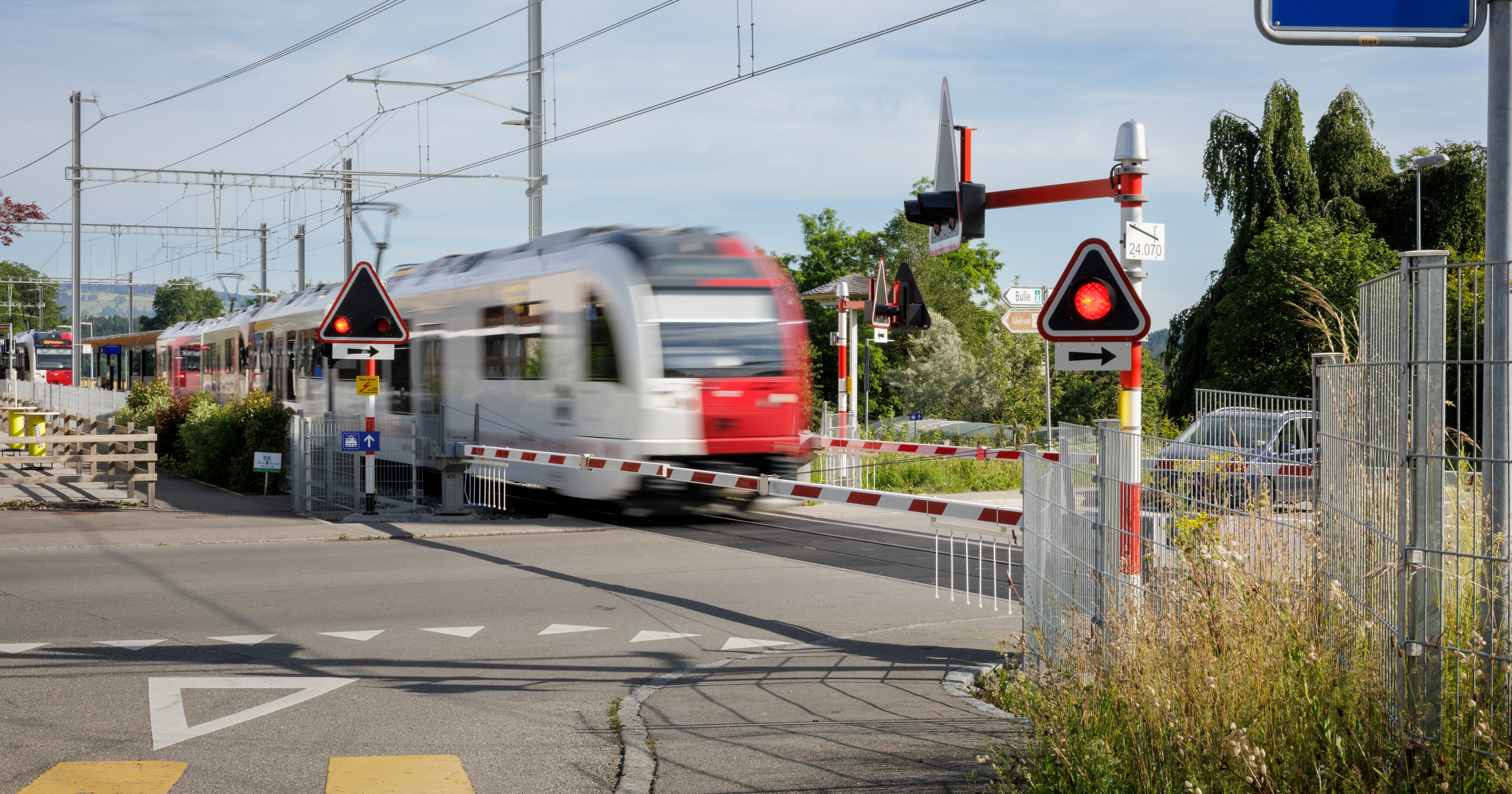
The systems used at Kummler+Matter EVT railway level crossings are equipped with non-invasive IoT sensors using LoRa and GSM technologies. These sensors continuously collect data that is essential to the operation and integrity of the equipment, including voltage levels and movement data. Variations in site constraints and environmental conditions add complexity to both data collection and, more importantly, predictive analysis.
Each installation generates a stream of events reflecting its actual condition, ranging from normal behavior to warning signals. The challenge was to consolidate this dispersed data, extract reliable indicators, and make them immediately actionable for both field teams and operational managers.
The platform needed to provide a consolidated, real-time view of installations while facilitating anomaly detection, event analysis, and maintenance planning. The user experience had to offer intuitive access to:
- An interactive map of installations
- Detailed records, including weather context
- A clear overview of alerts and anomalies
- A complete back-office for managing users and equipment
Prior to the project, the Lucerne University of Applied Sciences and Arts (HSLU) carried out extensive research on anomaly detection in the opening and closing mechanisms of railway barriers. Their approach was based on analyzing current and voltage measurements generated by motors during each movement. From these signals, they developed various algorithms capable of identifying atypical behaviors that could indicate wear or an upcoming malfunction.
This work formed the technical foundation of the project: it made it possible to transform raw sensor signals into actionable indicators for maintenance purposes.
Apptitude approach: a user-centered design and a modern architecture
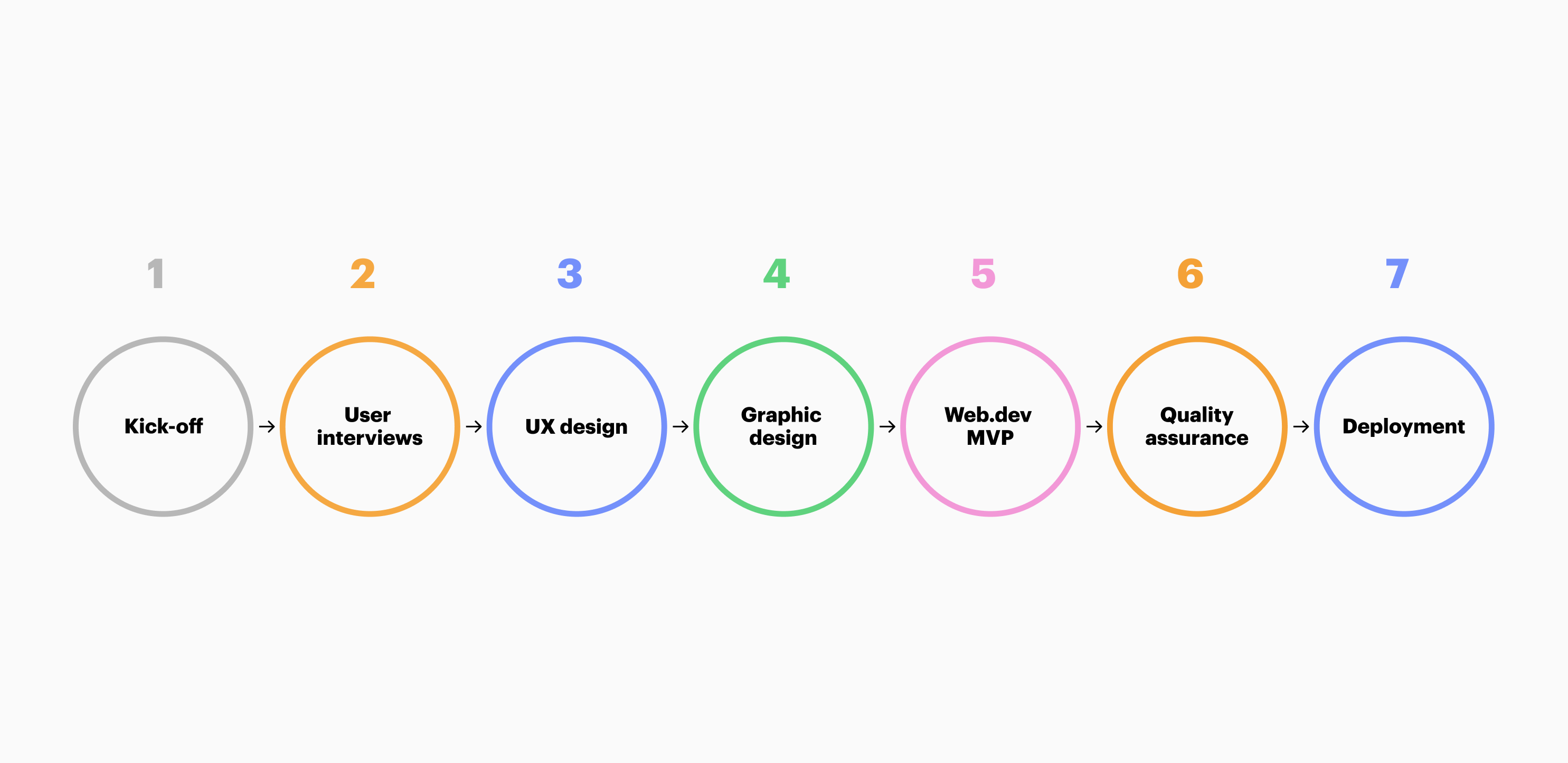
Apptitude accompanied Kummler+Matter EVT from requirements analysis through to cloud deployment, adopting an approach centered on business value and technical quality. The goal was not only to develop a tool, but to transform sometimes complex or implicit needs into a high-performing, sustainable, and intuitive digital solution.
From the start, roles and responsibilities were clearly defined to ensure smooth project management. Kummler+Matter EVT provided its business expertise, validation of use cases, and access to technical data, while Apptitude was responsible for UX/UI design, full-stack development, coordination, and quality assurance.
1. User research and understanding of use cases
Interviews conducted with technicians and maintenance managers made it possible to identify very concrete expectations related to their day-to-day work. The teams notably expressed the need to be automatically alerted when a value exceeds a critical threshold, in order to react quickly in the event of an abnormal situation. They also emphasized the importance of centralizing data within a platform capable of interfacing with their existing systems.
Users further highlighted the need to access clear and actionable indicators: estimates of component lifespan, failure frequency, wear data, maintenance history, and annual trends. Finally, they stressed the importance of a readable dashboard, including color coding and a logbook allowing human observations and feedback to be directly recorded in the system.
This analysis served as the foundation for functional decisions and the prioritization of use cases.
2. Collaborative UI and UX design
Several co-creation workshops were held to structure the information architecture, critical user journeys, and interaction principles. Wireframes and a clickable prototype laid the foundation for a clear and consistent experience.
The interface was designed by drawing inspiration from Kummler+Matter EVT’s visual identity, while improving readability and clarity of information. Particular attention was given to the representation of events and the prioritization of severity levels, which are essential to avoid any ambiguity during monitoring or intervention.
4. Full-stack development and data management
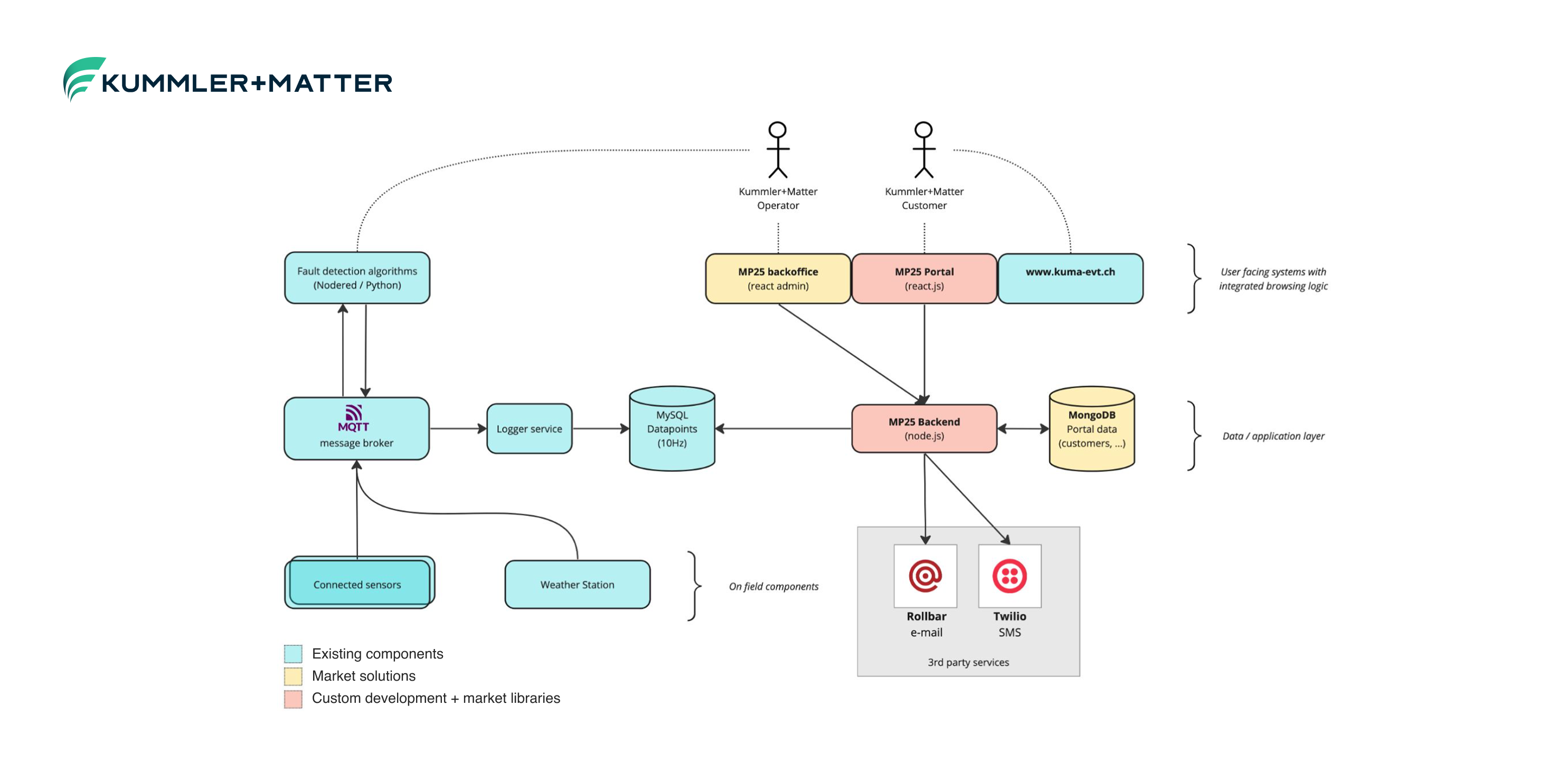
Development was carried out using an Agile (SCRUM) methodology, with a modern tech stack:
- Frontend: React.js / Next.js
- Backend: Node.js + MongoDB
- Back-office: React Admin
- CI/CD: continuous integration and deployment via GitHub
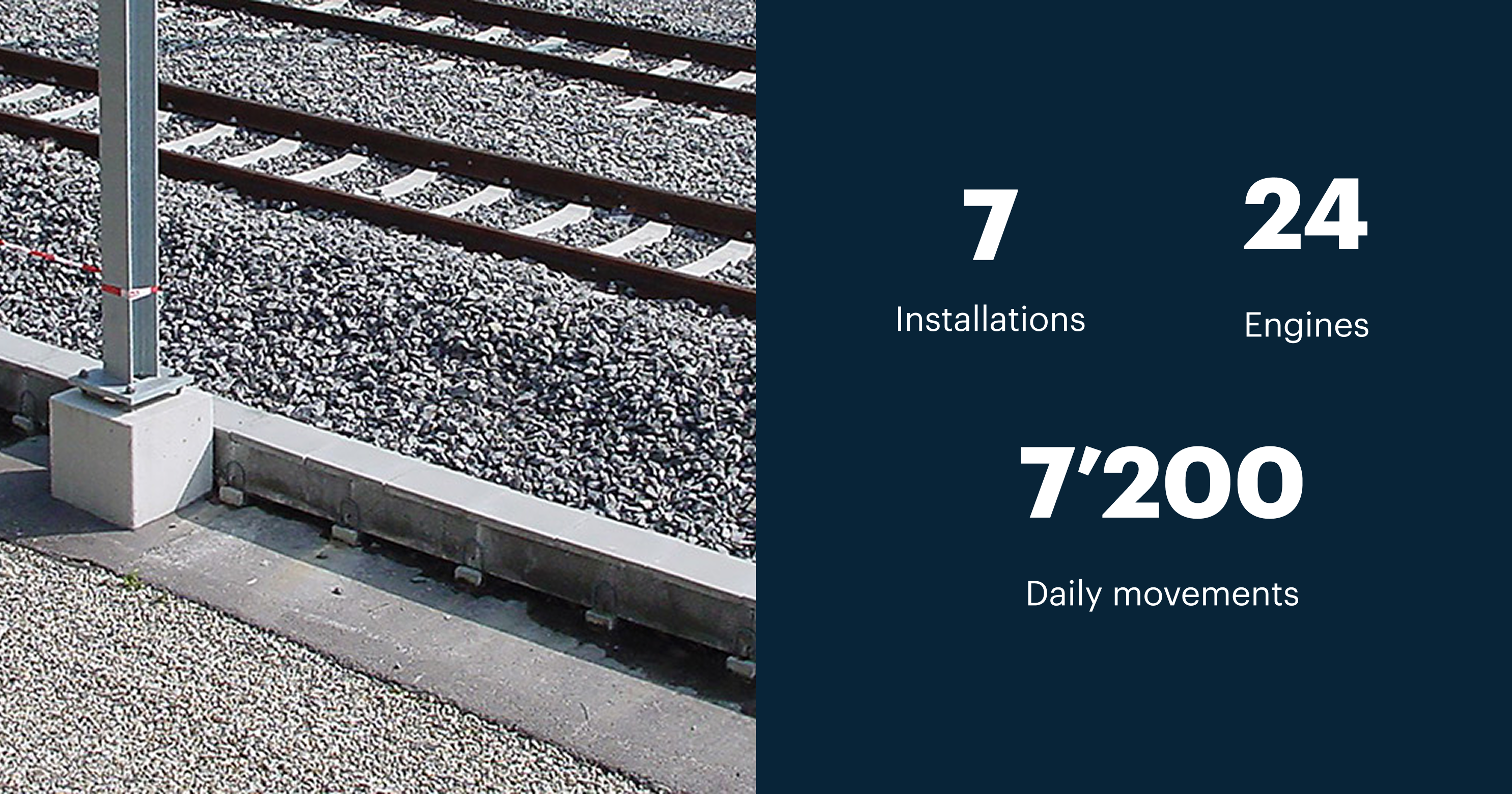
Data management represented a major challenge. From the pilot phase, the project was quickly confronted with a significant data volume. The seven analyzed installations represented 24 motors, each performing an average of approximately 300 movements per day. This corresponds to more than 7,200 daily movements, with each movement generating a current curve and a voltage curve over a period of around twelve seconds.
Depending on the chosen sampling rate, the data volume varies significantly: at 10 Hz, this already represents more than 1.7 million data points per day. At higher frequencies, this volume can reach several billion data points daily.
This reality quickly highlighted the need to define a clear strategy for data storage, compression, and reduction in order to preserve useful information while controlling infrastructure costs and performance. The objective was to ensure a reliable and scalable system.
5. Quality assurance and field testing
Beyond automated testing, field testing sessions with technicians made it possible to fine-tune event display, graphical behaviors, zoom levels, and access rights management. Static and then dynamic data helped stabilize the platform and validate its behavior under real-world conditions.
6. Cloud deployment and operational maintenance
The solution was deployed in production on a container-based cloud infrastructure, enabling gradual scaling and optimal stability, while ensuring system security and continuous maintenance.
Result: a predictive platform driving performance and sustainability
The success of this project is based on a shared vision between Kummler+Matter EVT and Apptitude: the importance of reliability, technical rigor, and user-centered design. This predictive maintenance platform embodies this convergence and fully aligns with Kummler+Matter EVT’s strategic and operational objectives.
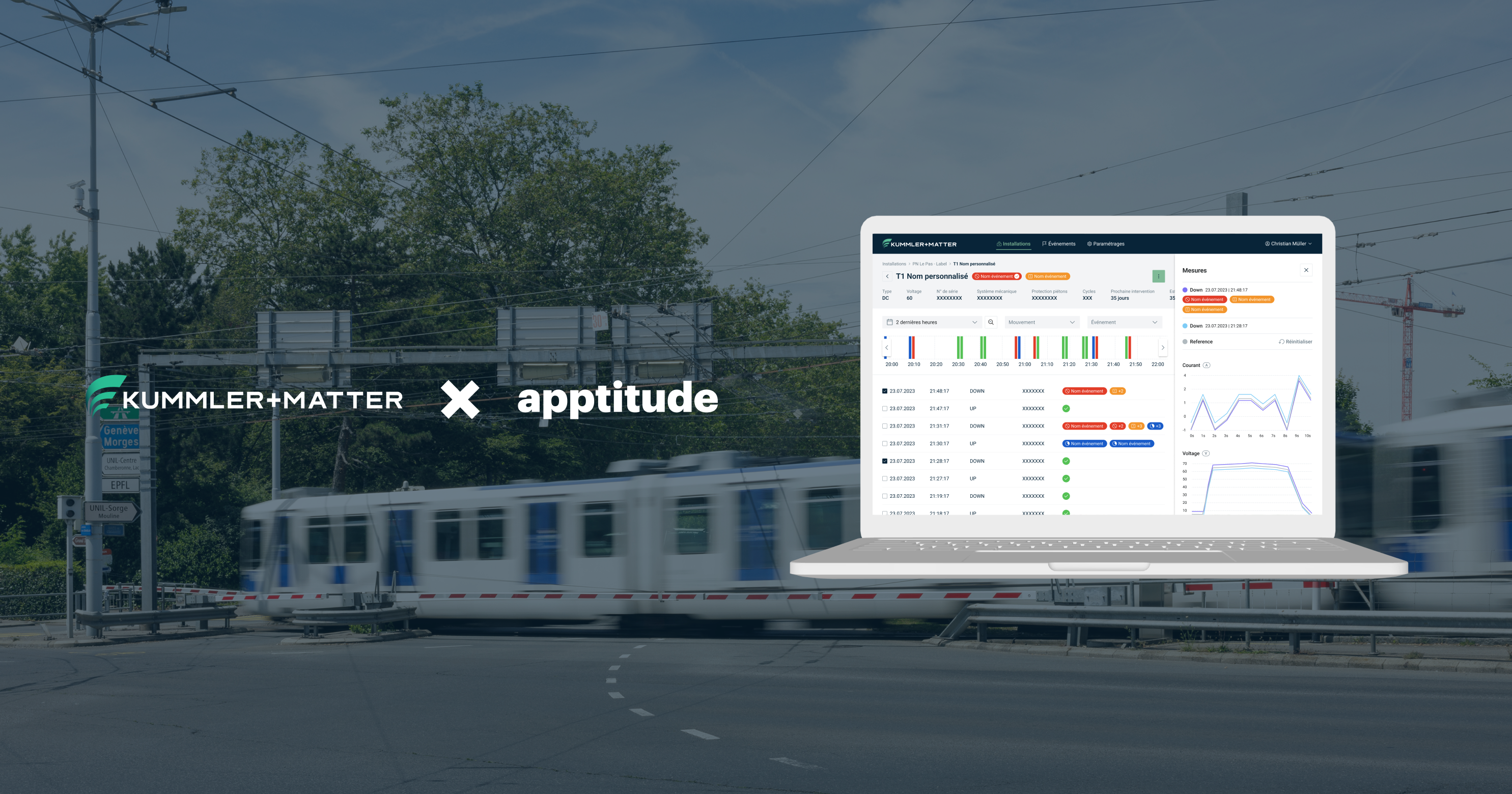
The platform currently enables:
- Centralizing and visualizing the state of installations in real time
- Improving predictive maintenance and operational reliability
- Simplifying decision-making through a clear interface
- Supporting the digital and sustainable transformation of public transport infrastructure
“Thanks to its multidisciplinary team, Apptitude worked closely with us to design an ergonomic, comprehensive, and scalable solution. Their collaborative approach and expertise enabled us to meet our clients’ requirements while developing a product that can evolve with our future needs. It has been an effective partnership that we highly recommend without hesitation.”
Gregory LAYAZ – Team Lead, Kummler+Matter EVT SA
This project illustrates Apptitude’s ability to combine technical expertise, design, and business understanding to build high-impact digital tools in sectors where precision, robustness, and service continuity are essential.
Do you have a predictive maintenance project? Let’s talk about it!